


New luxury product making India more ‘accessible’, says industry executive
The Park Hotels’ Priya Paul says travellers no longer see India as a ‘once in a lifetime’ destination


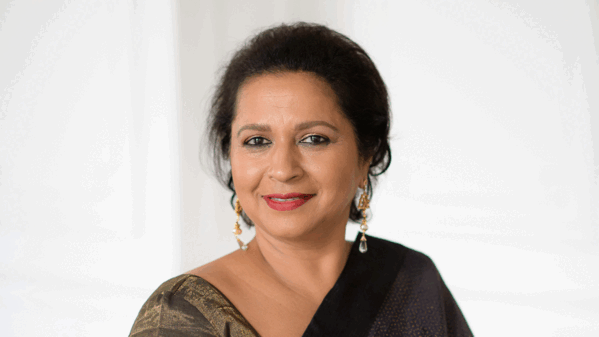
The growth of luxury product in India means the country is no longer seen as a “once in a lifetime” destination, according to Priya Paul, chairperson of Apeejay Surrendra Park Hotels, which owns luxury brand The Park Hotels.
Paul said improved airlift and high-end infrastructure had led to travellers viewing the country less as a “big blowout destination” and more as somewhere they can visit for a few days at a time and “come back for more”.
The Park Hotels recently opened two new luxury properties – Ran Baas The Palace in Punjab and The Lotus Palace in Chettinad – and has plans to open two properties in Kerala, along with a hotel in Mumbai, in the coming months.
The brand focuses on taking over heritage properties and adding “modern comfort” to traditional elements such as jewel accents and intricate wall plastering.
Paul said this design focus helped to make Indian destinations more “accessible” as the hotels are “embedded in the local fabric” and “connected to the local culture”.
On the renovation of Ran Baas The Palace and The Lotus Palace, she added: “It was not just about going there and recreating what was there 200 years ago. It was about asking how could we take the design language forward, and how could we make the hotels more reflective of the way we live now?”
Paul said family and cultural events such as wellness retreats, concerts and sporting events including the cricket were also driving an influx of returning visitors for shorter trips.
But she said the destination was waiting to feel the full potential of the international luxury market.
“We’re looking for the international luxury customer to come back much more strongly into India,” she said.
“There has been some pick up, but obviously the events of the last few months and the geopolitical issues have not been conducive for that. But I hope that when the season kicks in from September, that will start again.”
Paul also cited a “supply and demand mismatch” in the Indian travel market, with demand increasing at 8-9% annually and supply growing only by 5-6%, claiming there was definite “room for growth”.
Related to this story
Accor declares ‘worst of crisis behind us’
Banyan Tree Group to launch five new brands
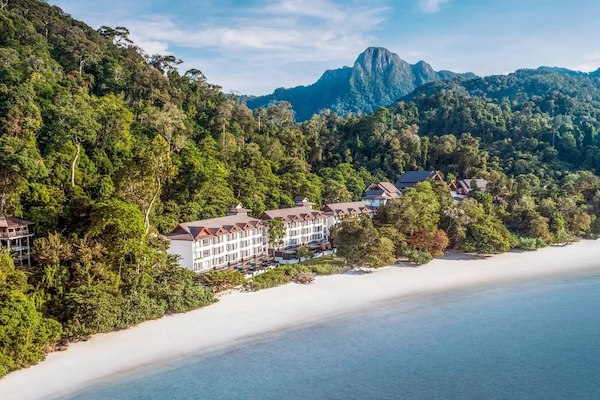
Malaysia’s Andaman resort hotel destroyed by fire
Editor’s Pick
Suggested For You




Jacobs Media is a company registered in England and Wales, company number 08713328. 3rd Floor, 52 Grosvenor Gardens, London SW1W 0AU.
© 2025 Jacobs Media
