


Philanthropic guest experiences must not ‘objectify’ local communities, say operators
Experts discussed the importance of ‘transformative’ community benefits at Aspire’s Leaders of Luxury


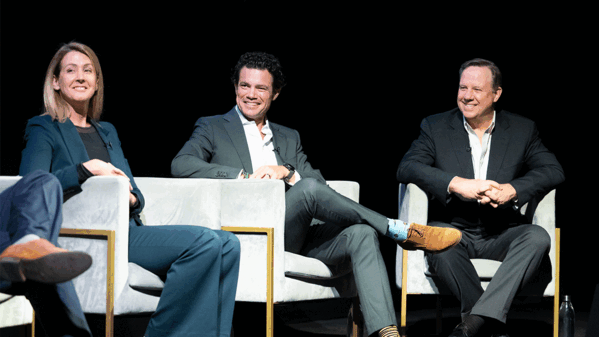
Travel companies must prioritise having a “positive impact” while working with local communities, Aspire’s Leaders of Luxury conference heard.
Abercrombie & Kent Philanthropy’s executive director, Keith Sproule, said in the past cultural immersion activities in Africa had included guests visiting schools, where children would sing and dance, but this was now recognised as “disruptive and objectifying”.
Instead, he said the operator’s guests now visited schools where the eldest students had a chance to speak to visitors and practise their English, with some guests helping to serve the children their lunch.
Sproule said: “The joy is when you get a New York lawyer or maybe a British barrister helping to serve lunch to kids; it is nothing they signed up for. It’s not part of the itinerary they ever selected, but it’s the photo that ends up on the mantle or the refrigerator at home.”
Wilderness Group’s head of hospitality and development Simon Collier agreed, adding that the brand’s safari guides were constantly looking for “moments” during experiences where guests would be engaged and receptive of key takeaway messages.
He said: “If you’re creating meaningful experiences, you can’t have a scheduled programme where you say, at 12 o’clock we’re going to come around the corner and this is the moment for the message on sustainability or anti-poaching, because you’re going to miss it 99% of the time.”
He added: “Our guides are waiting for that one moment where they can pass on a micro piece of information that might just trigger the thought process and give guests the opportunity to ask questions.
“What better place to be triggering these thoughts than when they’re on holiday, having an amazing experience that has direct impact?”
Collier added that travel companies engaging with local communities should seek “direct measurements” of the positive impact they are having.
Wilderness Group offers a range of programmes for less fortunate children to “establish a connection between local communities and [the] protection of wildlife” across its 2.3 million hectares of protected land in Africa. Collier said many of these children grow into senior roles within the business.
Another measurable difference shared by Sproule is Abercrombie & Kent Philanthropy’s engagement with HIV prevention in south Zambia, where the company built a maternity ward in partnership with the Ministry of Health to reduce mother-to-child transmission during birth.
Sproule said: “There have been 500 births and no HIV transmission in the last six years since the ward has been operational. That’s the scale at which our industry can be having an impact with our partner communities if we deepen our commitments and collaborations.”
Related to this story
60 Seconds with… Virginia Tourism Corporation’s Christi Braginton
A guide to family-friendly resorts in the Maldives
A&K rebrand will ‘elevate’ business, says marketing chief
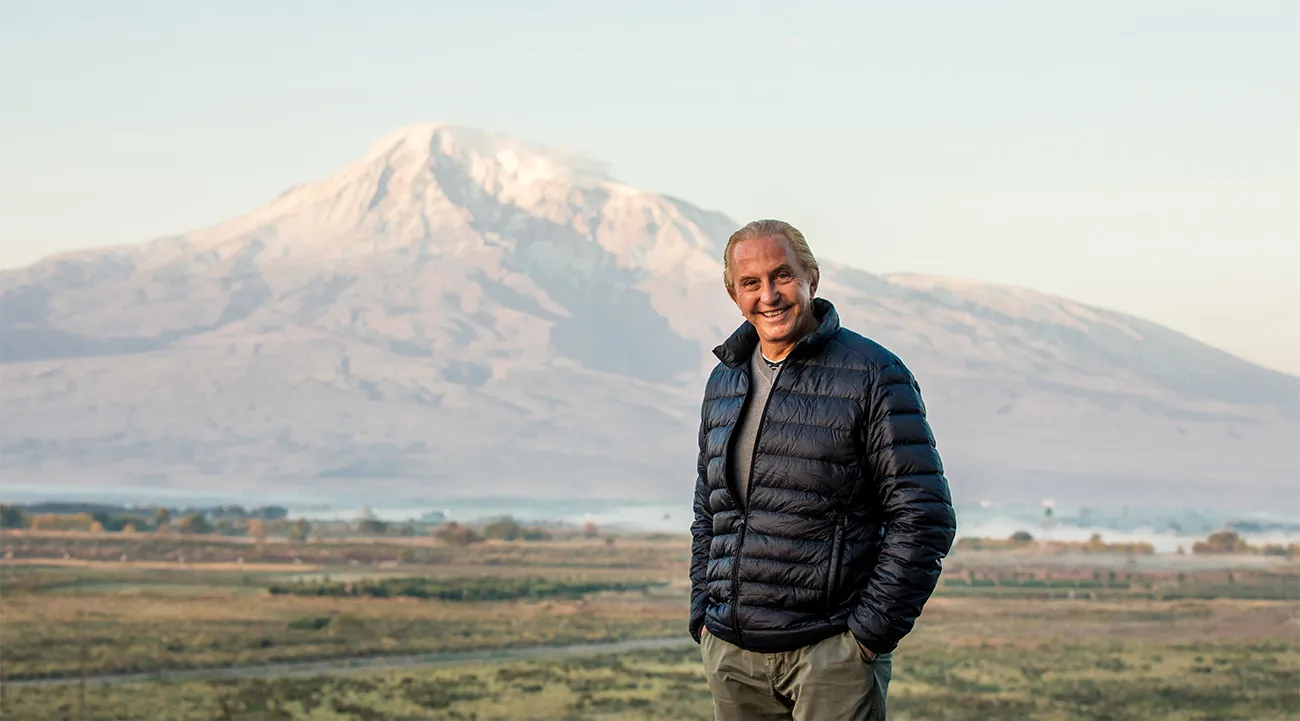
A&K Travel Group founder Geoffrey Kent shares his aspirations for the company
Editor’s Pick
Suggested For You




Jacobs Media is a company registered in England and Wales, company number 08713328. 3rd Floor, 52 Grosvenor Gardens, London SW1W 0AU.
© 2025 Jacobs Media
