


‘Information barriers’ deterring disabled people from travelling, says inclusivity advocate
Sophie Morgan said those with accessibility needs require ‘granular detail’ to feel confident to travel


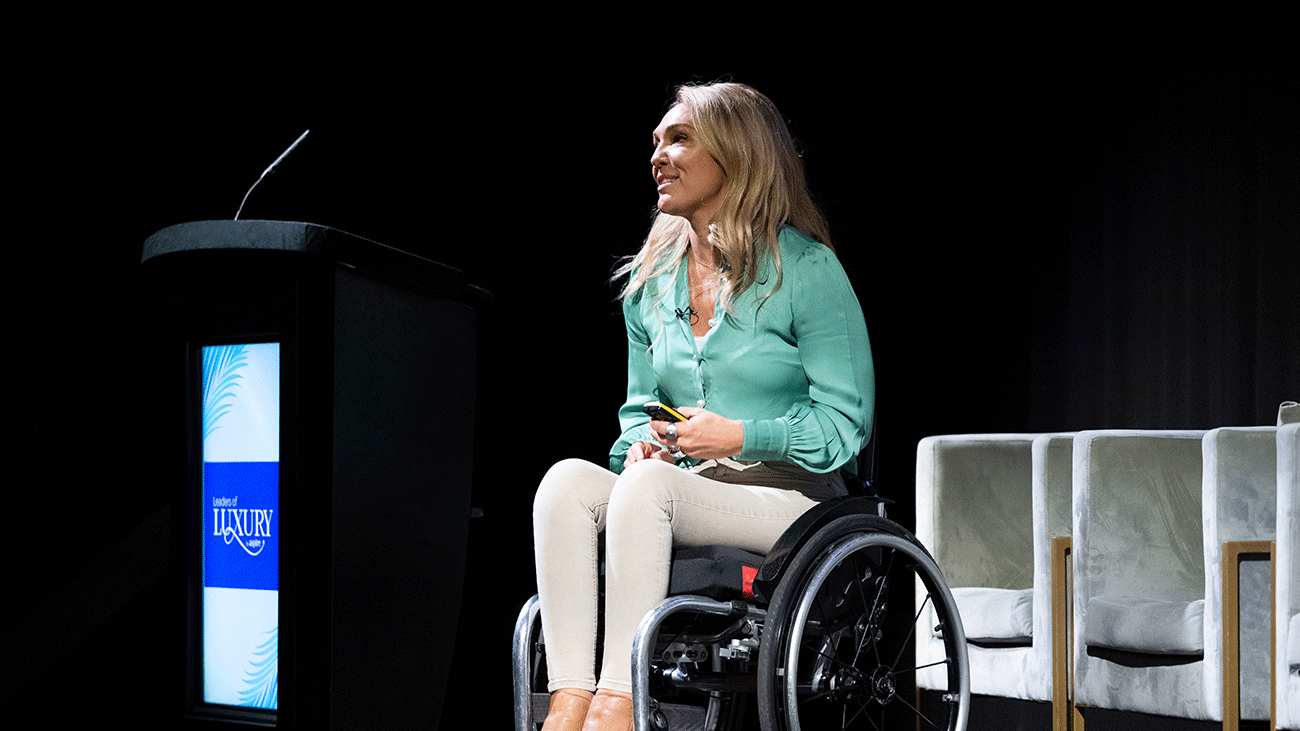
“Information barriers” are deterring disabled people from travelling, according to inclusivity advocate, travel writer and broadcaster Sophie Morgan.
Speaking at Aspire’s Leaders of Luxury conference on June 12, Morgan said a lack of “granular detail” from travel providers was the “most important” factor in discouraging those with additional needs to book a holiday.
“We’ve been hearing today about how we are all flooded with information, however, as a wheelchair user, I am crying out for information and there isn’t enough,” she said, adding that disabled people need “know before you go” information to feel confident in selecting a travel provider.
Speaking on her experience as a wheelchair user, she said: “I want to see a picture of the room I’m staying in, and I want to see a picture of the bathroom. How often we don’t see that level of granular detail is astounding, and we need it.”
Morgan also called on travel providers to think about “redesigning spaces” to reduce physical barriers to travel, such as small spaces, a lack of ramps or lifts, inadequate visual or auditory aids and insufficient sensory support systems.
Morgan said these “universal design concepts” would make spaces more accessible for everyone - not just disabled people - highlighting that ramps, for example, can also be helpful for those with suitcases or pushchairs.
“We need to think about redesigning spaces,” she said. “Everybody here has the power to help shift that if you choose partners who are committed to actually making spaces accessible for people.”
Morgan also addressed the need for greater “visual representation of what accessible and inclusive travel looks like”, encouraging travel brands to promote inclusivity more openly by sharing images of disabled people in their marketing to “normalise” their freedom to travel.
Morgan said the importance of visual representation was particularly pertinent when challenging “attitudinal barriers” to disabled people travelling, adding: “I have learned the hard way that people’s attitudes are far more limiting than anything, even more than the built environment.
“If I turn up somewhere and someone’s got an idea that I’m not welcome, even if the space is completely physically accessible, it is incredibly off-putting. It’s an attitudinal shift, and we all have the power to make sure those barriers come down.”
Related to this story
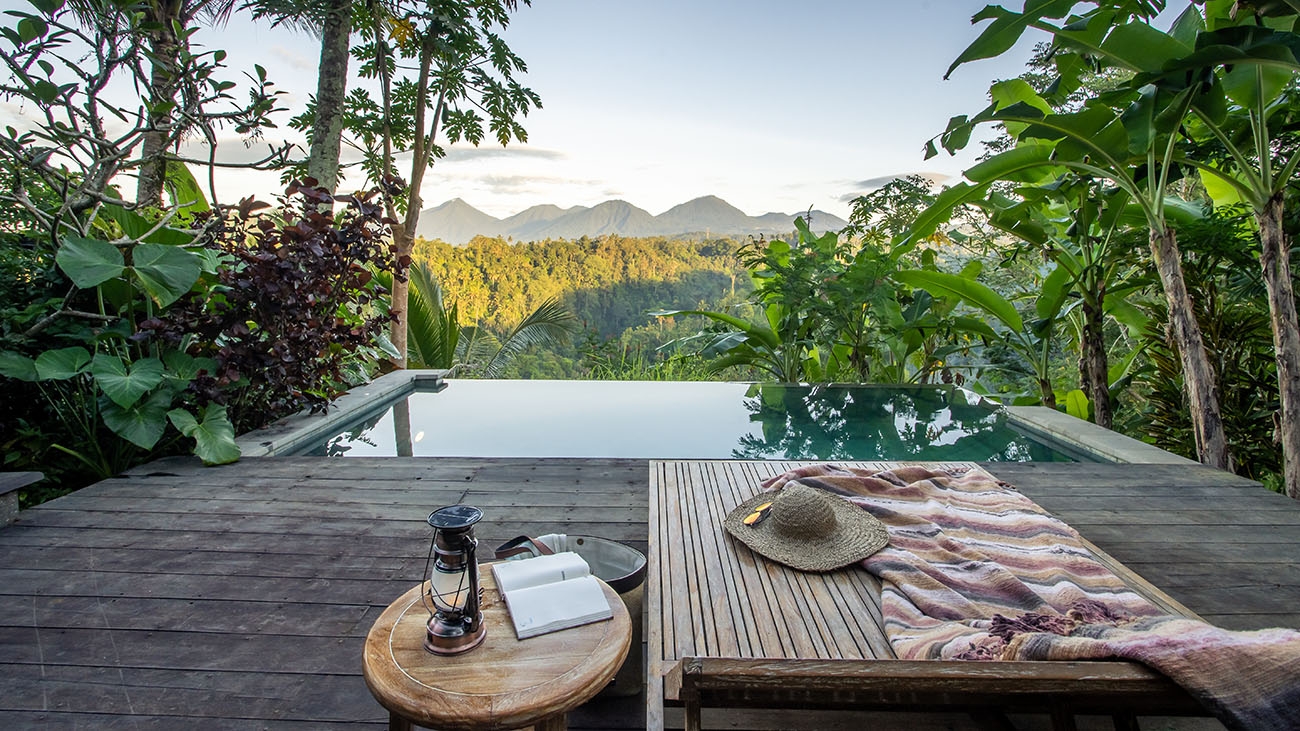
Banyan Tree Group to launch five new brands
Brad Bennetts to leave Kuoni
Kathryn Coles to leave Simpson Travel after restructure
Tributes paid to Azure Collection’s Gary Aplin
Editor’s Pick
Suggested For You




Jacobs Media is a company registered in England and Wales, company number 08713328. 3rd Floor, 52 Grosvenor Gardens, London SW1W 0AU.
© 2025 Jacobs Media
