


Disabled travellers have ‘sizeable’ spending power, says inclusivity advocate
Sophie Morgan said a ‘loyal’ demographic awaited brands that market themselves as accessible


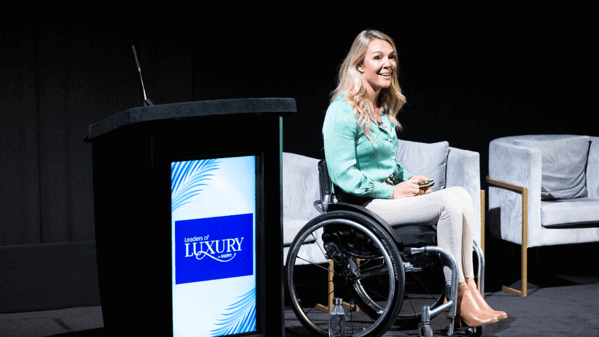
Disability advocate, travel writer and broadcaster Sophie Morgan implored travel companies to capitalise on disabled travellers’ “sizeable” spending power at Aspire’s annual Leaders of Luxury conference.
One in five people in the UK identify as disabled, according to Morgan, with the figure shifting to one in four in the US and one in six globally.
“There’s an unfortunate negative assumption that we don’t have any money, that we’re all on welfare and we can’t have jobs,” Morgan said. “This isn’t actually accurate. We do have a spending power and it’s sizeable.”
She added: “There’s a multiplier effect on our spending as well because we tend to travel in groups. We [also] take longer trips than the average person, which I think is really helpful if you’re looking for new customers.”
Brands that commit to being accessible and market themselves as inclusive providers will open themselves up to a lucrative and “loyal” new demographic, Morgan claimed, citing Maldivian resort Amilla Maldives as an example, which invested £9,000 in accessibility adaptations and achieved a 210% return on investment in just one year.
“Disabled travellers tend to return to places they love,” Morgan said. “If a non-disabled person has a great travel experience, they typically tell about five people. If a disabled person has a really good experience, they typically tell about 50 people.”
Morgan said brands and destinations that become renowned for their inclusivity also had the power to have a “ripple effect” on other marginalised markets.
“If you make somewhere accessible for somebody, then it becomes inclusive for others,” she said. “There can be people with facial disfigurements, people with different types of religion, or different types of sexual orientation who visit places because they hear from the horse’s mouth that they are inclusive. That’s really incredibly powerful.”
Related to this story
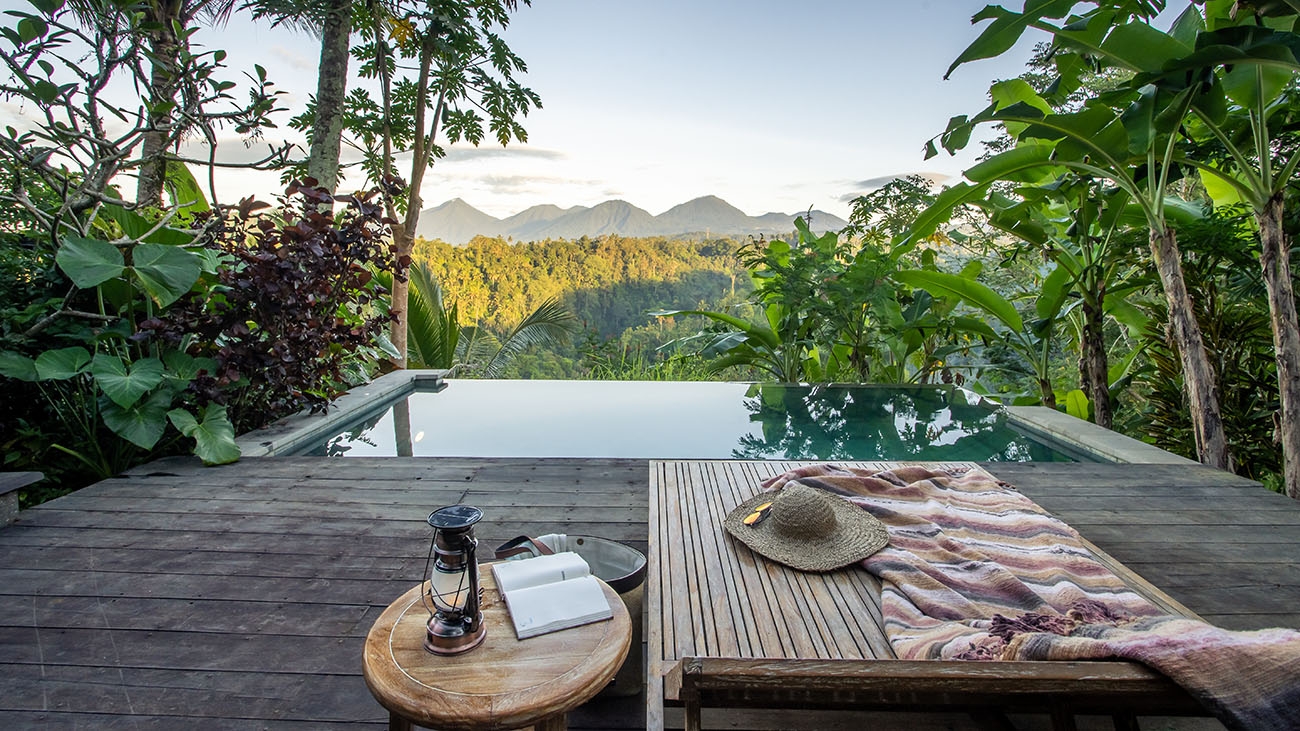
Banyan Tree Group to launch five new brands
Brad Bennetts to leave Kuoni
Kathryn Coles to leave Simpson Travel after restructure
Tributes paid to Azure Collection’s Gary Aplin
Editor’s Pick
Suggested For You




Jacobs Media is a company registered in England and Wales, company number 08713328. 3rd Floor, 52 Grosvenor Gardens, London SW1W 0AU.
© 2025 Jacobs Media
