


Future of hospitality lies in 'authenticity and emotional connection', say independent hoteliers
Five luxury hotels shared their perspectives during a media panel session in London


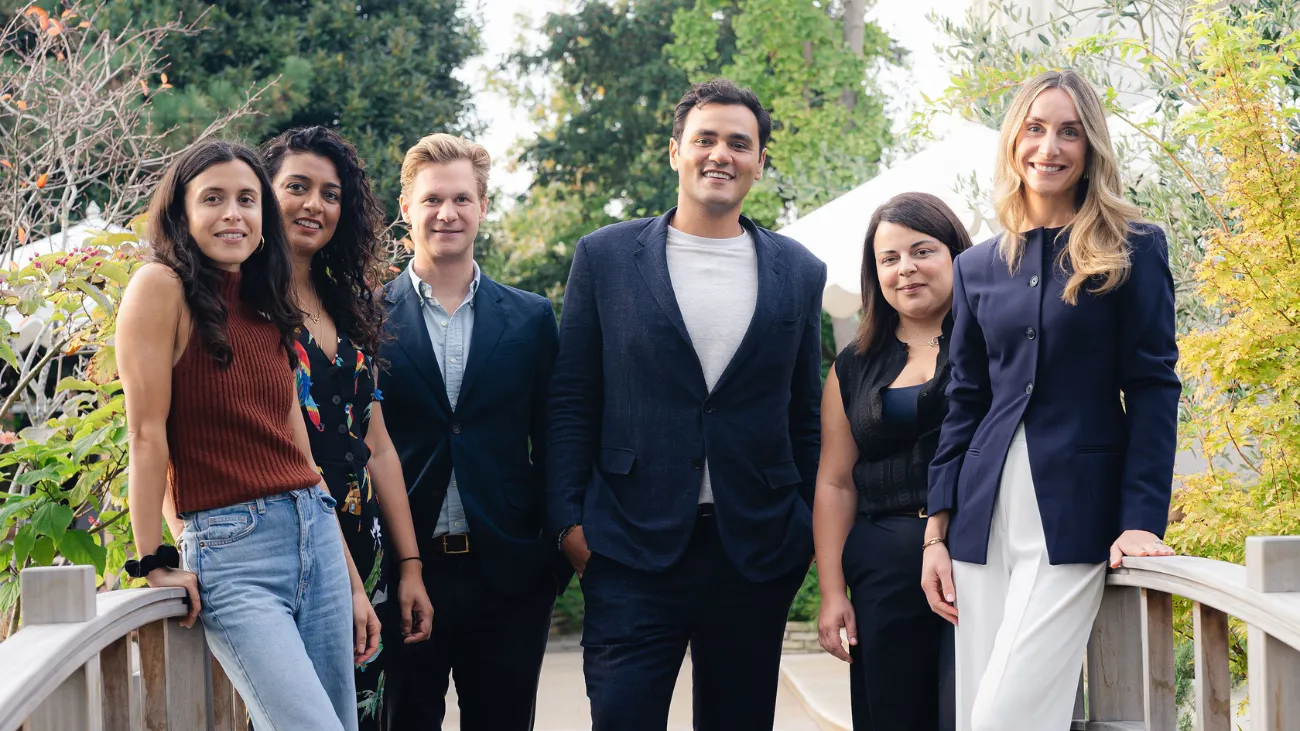
The future of luxury hospitality will be defined less by opulence and more by emotional connection, personalisation and digital detox, according to a group of independent hoteliers.
Speaking on a media panel session in London last week, five hoteliers agreed that affluent travellers are increasingly seeking authenticity and a “sense of belonging” rather than “scripted service” and flashy design.
Bobbie Garbutt, co-owner of Calabash Hotel in Grenada, a Relais & Châteaux property run by her family since 1987, said: “True luxury isn’t about marble counters and chandeliers; it’s how someone feels when they walk into a room.”
She emphasised the importance of personalisation and attention to detail when delivering service to guests, stating: “Whether that’s handwritten notes on arrival and knowing every guest by name to having their preferred drink ready when they come to the bar, it’s those personal details that define luxury in this day and age.”
Olivia Morrow, co-owner of Jamaica Inn, a boutique property that has been owned by the Morrow family for 65 years, echoed this sentiment. She said that luxury service is about “making people feel loved” and creating “elements of surprise” that leave a lasting impression.
For Eric Mourkakos, owner of Cali Mykonos in Greece, the most notable shift in luxury hospitality today is a return to simplicity.
He said: “I think that the future is the past. It’s about connection rather than scripted service, making guests feel like they belong and that the hotel feels like home.”
He also emphasised the importance of meeting guests’ needs efficiently, adding: “I take most pride in our concierge service. We have a WhatsApp concierge and within minutes of a guest asking for something, it’s there.”
Ellie Barmpagiannis, managing director of Grand Forest Mestovo in the Pindus mountains of northern Greece, agreed: “It’s all about the simple things. Technology is driving us all a little crazy, so travellers are trying to get away from that."
She added that while travel trends move quickly, the desire for “wellness and digital detox is here to stay”.
For Ed Clerk, chief executive of Penicuik Estate in Scotland, a property that has been owned and managed by the Clerk family since 1654 and was once his family home, the biggest trend in luxury travel today is “raw hospitality and the simple act of making someone feel like they’re cared for”.
He said: “I think there’s a movement for restoration being needed. People need sanctuaries to decompress. We obsess over the details and want our guests to think we have thought of everything and genuinely care that they’re enjoying themselves.”
Clerk also addressed the growing use of AI across the industry, stating that it’s a trend that “will continue to grow” but maintaining the team at Penicuik Estate have a “strict approach” towards its usage.
He said: “If our team can use it to be more efficient and focus on the human-centric side, then that’s fantastic. Even a basic level of AI makes a significant difference to our small team. There are a number of different tasks [we use AI for] from revenue management to helping us notice issues before they arise that allow our team to focus on human interactions more.”
He added that AI-generated search has resulted in many new guests finding the property, a shift that he believes will be “huge” for business.
Image: Bobbie Garbutt, co-owner of Calabash Hotel; panel moderator Natasha Shafi, chief executive of Mr & Mrs Smith; Ed Clerk, chief executive of Penicuik Estate; Eric Mourkakos, owner of Cali Mykonos; Ellie Barmpagiannis, managing director of Grand Forest Mestovo; and Olivia Morrow, co-owner of Jamaica Inn.
CREDIT: David Christopher
Related to this story
Accor declares ‘worst of crisis behind us’
by Ian Taylor
Banyan Tree Group to launch five new brands
by Laura French
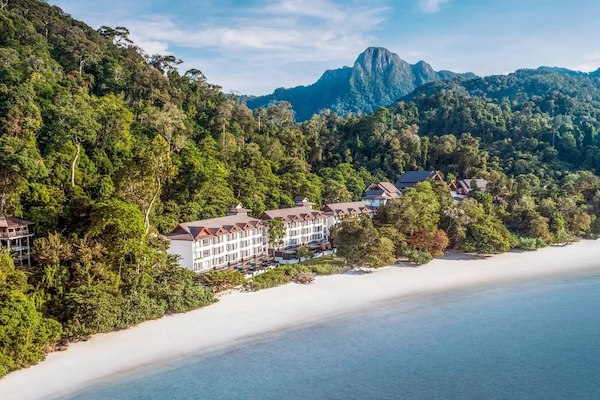
Malaysia’s Andaman resort hotel destroyed by fire
by Samantha Mayling
Editor’s Pick
Suggested For You




Jacobs Media is a company registered in England and Wales, company number 08713328. 3rd Floor, 52 Grosvenor Gardens, London SW1W 0AU.
© 2025 Jacobs Media
