


Where to stay and what to do in multifaceted Madrid
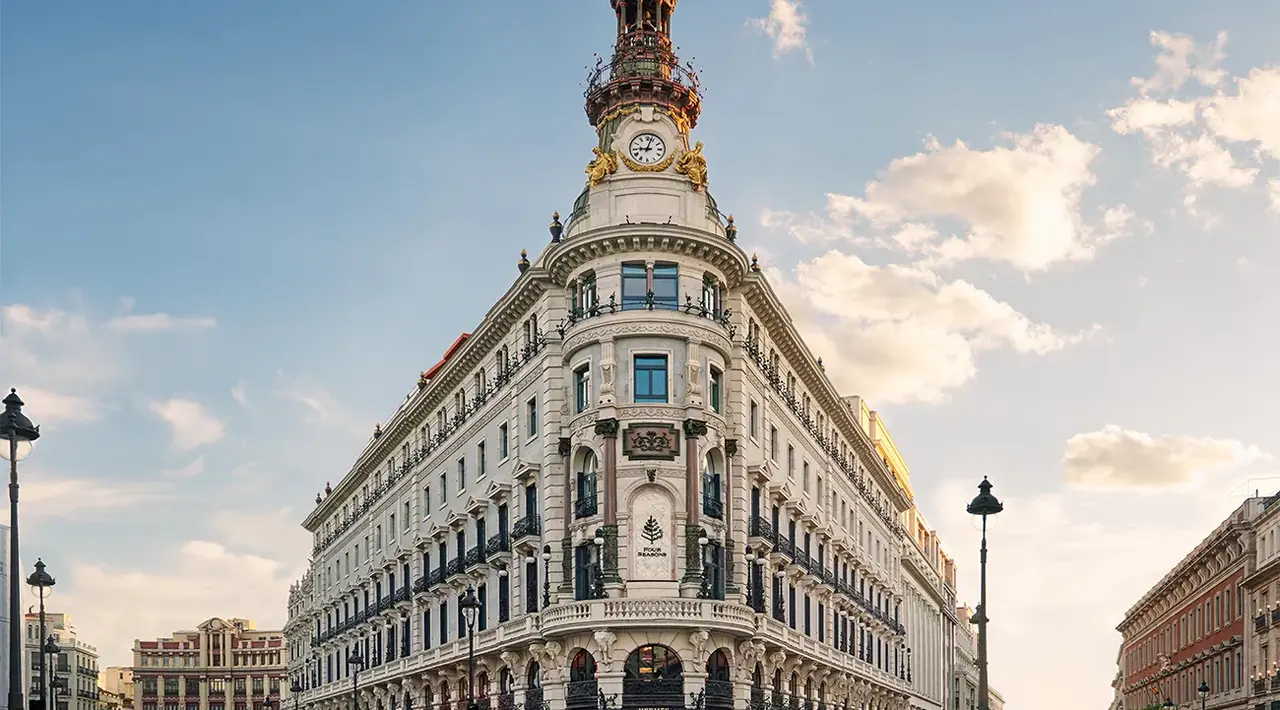
The city is teeming with renowned cultural landmarks and beautiful green spaces – as well as a raft of new luxury openings


Madrid is a city bursting at the seams with life. Its sun-speckled lakes are studded with excitable tourists manoeuvring rowboats, their merry chatter and laughter drifting on the gentle breeze. Elsewhere, boulevards lined with baroque palaces are traversed daily by thousands in search of cosy coffee spots and stylish rooftop bars, and a treasure trove of world-renowned museums and galleries tempts art enthusiasts and transient visitors alike with eclectic collections that span centuries. I find Madrid’s allure impossible to ignore as I wander its streets, keen to get under the skin of this pulsating city. And tourist statistics indicate that increasing numbers of travellers are descending on the Spanish capital with a similar intent. More than 11 million people visited Madrid in 2024, marking a 5.5% increase on 2023 and the destination’s best-ever year for tourism. The international jet set’s appetite for the city is clearly growing, and there’s plenty on offer to keep them satiated.
Why sell it
There’s no denying that, when it comes to Spanish city breaks, Barcelona receives much of the spotlight. But Madrid, with its lush green parks, spectacular architecture and phenomenal food and drink, is ready to break out of the shadow of its Catalonian cousin. This is a city that fuses tradition with modernity, beautifully juxtaposing antiquated landmarks and a historic culture with an undeniably vibrant and cosmopolitan atmosphere. It’s ideal for short breaks – three or four days should be ample time to tick off all the major sites – or as a jumping off point for exploring more of Spain.
What’s new
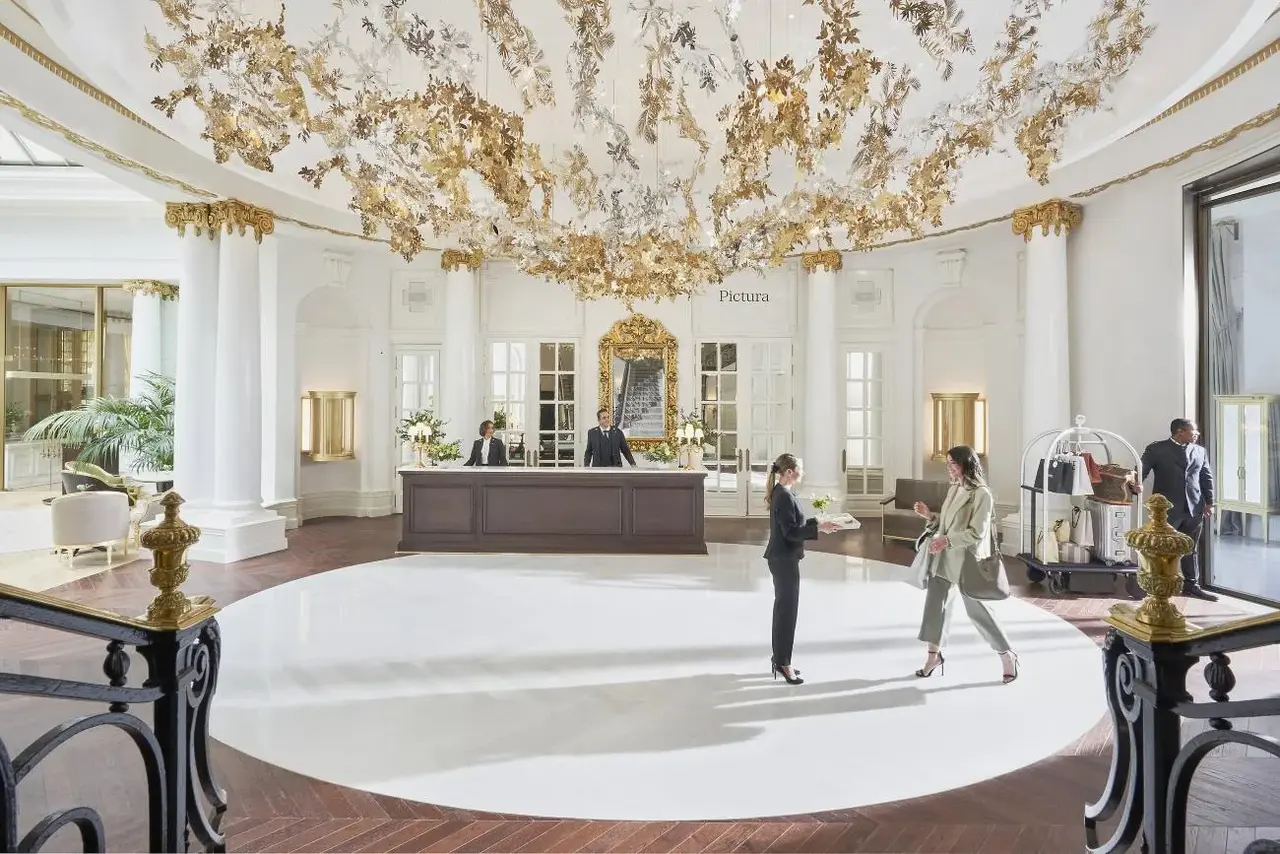
There are a number of newcomers on Madrid’s luxury hotel scene, setting up shop in some of the city’s most striking historical structures. Opening later this year, the five-star Nômade Temple Madrid will be housed in the 20th-century Las Letras Gran Via building in the city’s literary district, which was once frequented by world-famous writers and authors. Within the tiled facade, guests have a choice of 83 rooms and suites, two penthouses, a handful of dining and drinking venues, a spa and a rooftop pool. Elsewhere, The Palace, a Luxury Collection Hotel, has breathed new life into what was formerly The Westin Palace hotel. Before reopening in March, the property, located within the Unesco-listed area known as the Landscape of Light, underwent an extensive renovation, but retains many of the ornamental details that featured when it first opened in 1912. There is also a Soho House property in the pipeline and, just a short drive from Mandarin Oriental Ritz, 30 apartments have recently opened under Mandarin Oriental Residences Madrid. On the cultural front, the former Royal Asturian Mines Company Building, which was designated an Asset of Cultural Interest nearly 50 years ago, will be reimagined later this year as an exhibition and performance space to showcase art collections and music concerts.
When to go
Apart from the summer season, which typically brings big crowds and soaring temperatures, there isn’t a bad time to visit Madrid. From February to May, the city blooms into vibrant life as roses and gardenias blossom, and the temperatures are mild, pleasant and perfect for exploring. In autumn and winter, the city can be chillier but no less pretty, and visitors will have fewer crowds to contend with. In December, Madrid transforms into a festive wonderland, with towering Christmas trees and spectacular light displays forming unmissable additions to any sightseeing itinerary.
Where to stay
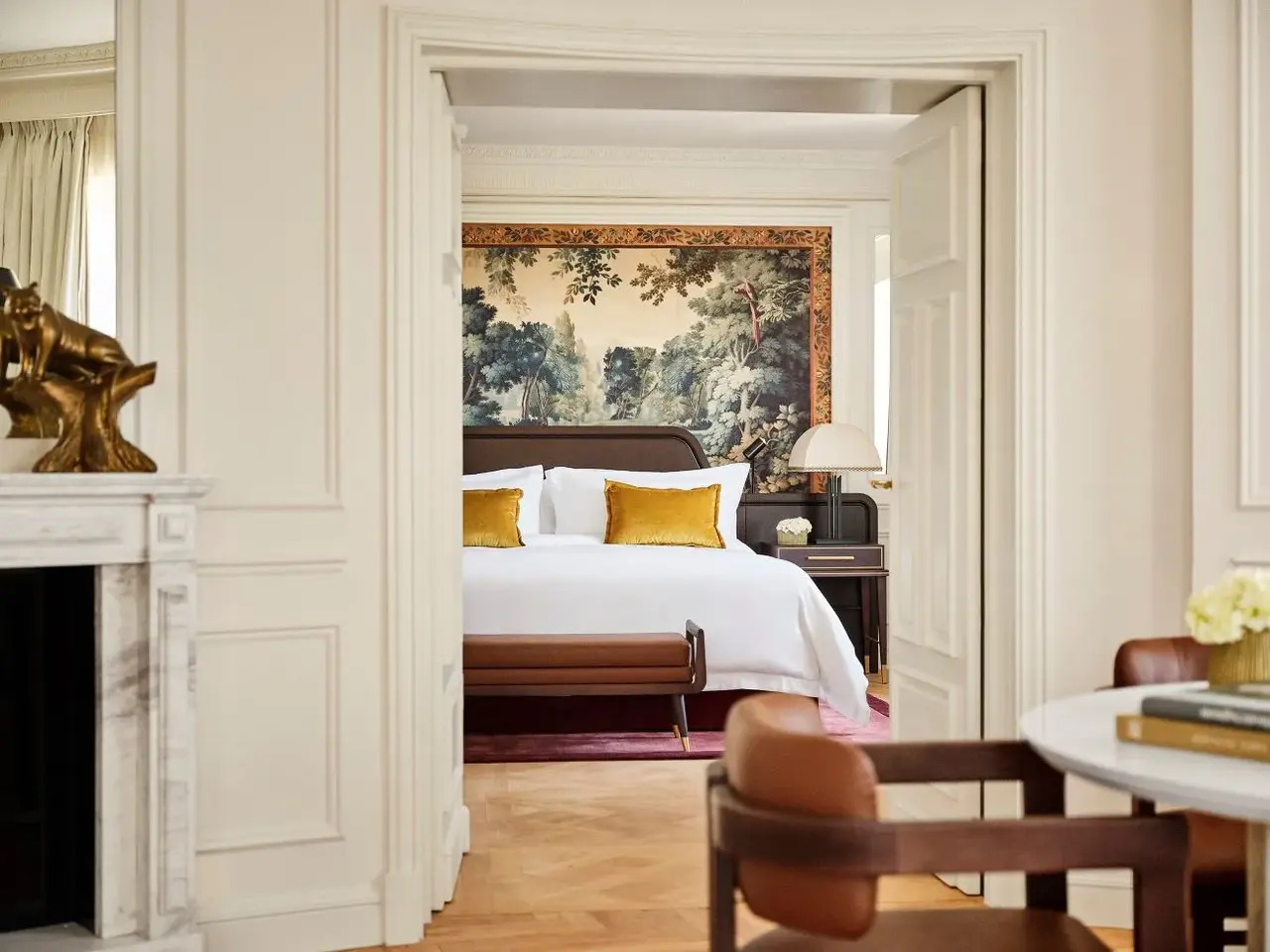
Affluent travellers are spoilt for choice with the selection of high-end hotels. The most esteemed address is Mandarin Oriental Ritz, which has pride of place in the Retiro neighbourhood, a stone’s throw from the Prado Museum. Its restored palace exterior sets the scene for what’s inside: 167 elegant rooms, a sensational spa and a Michelin-starred dining venue. Elsewhere, visitors will find the 200-room Four Seasons Hotel Madrid, housed in a historic bank building that’s also home to a raft of upmarket boutiques, and an outpost of Edition Hotels, which, alongside 200 rooms and suites, has an outdoor pool, rooftop terrace and cocktail bar. Rosewood Villa Magna is another impressive property, its standout feature being two extraordinary penthouses boasting 360-degree views of the city.
What to do
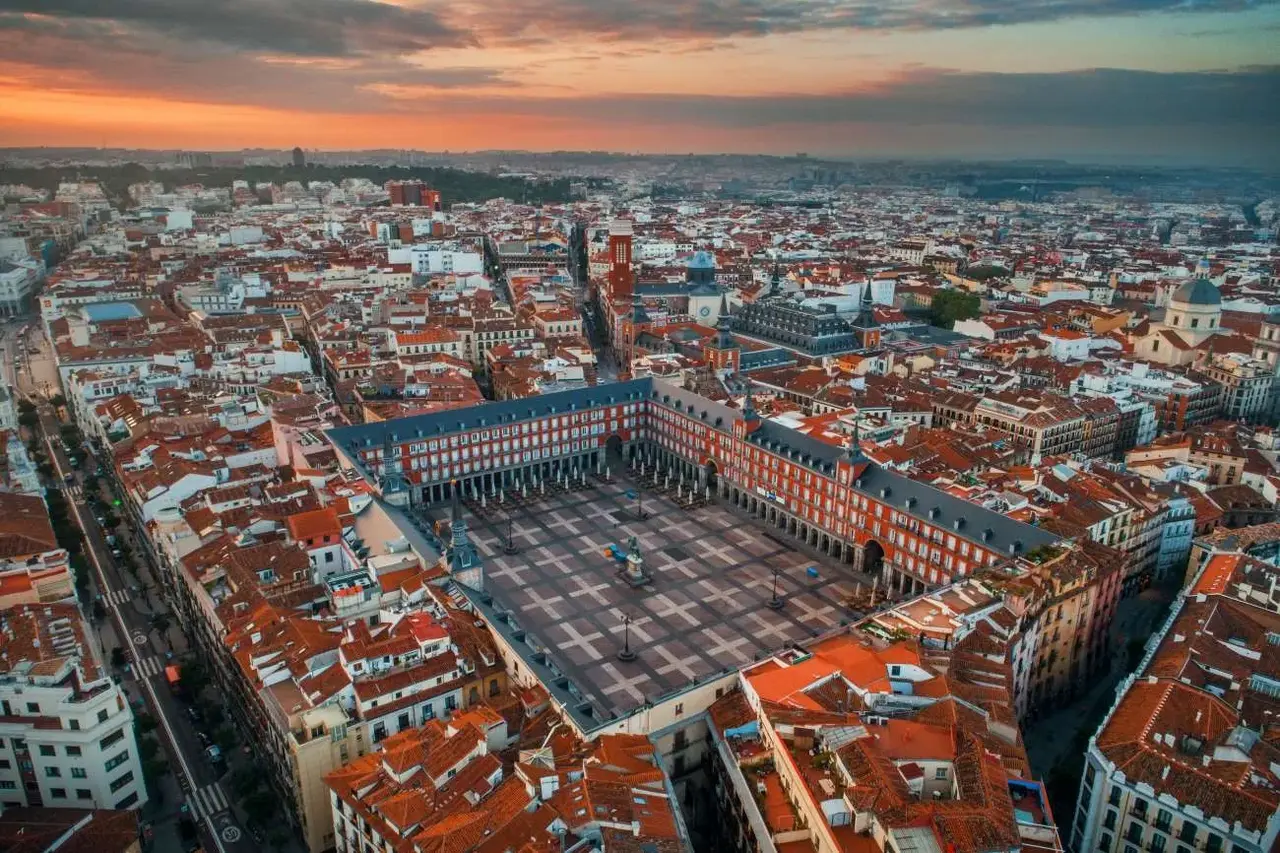
Madrid is teeming with cultural heritage and is home to a wealth of arty hotspots that should be must-dos for any visitor. Top of the list is the Prado Museum, which houses one of the largest art collections in the world. The headline pieces here are works by Goya and Velázquez, but the gallery’s portfolio contains more than 8,600 paintings and 700 sculptures. Helpfully, the Prado can recommend three different itineraries of varying lengths to ensure visitors can check off the most important masterpieces without getting lost along the way. To get a real sense of the city, recommend clients explore on foot. From the Prado, you can reach the lush oasis that is El Retiro Park, which takes in a vast boating lake, reverential statues and flawlessly manicured gardens. Madrid’s central square, Plaza Mayor, is also a short walk away. Found in the city’s oldest neighbourhood, this bustling square has historically played host to bullfights, fiestas and parades, and is now the place to be for marvelling at imposing architecture, exploring vibrant markets and discovering quaint cafes. Visitors are also likely to pass through the Puerta del Sol, or Gate of the Sun, which serves as a crossroads between some of the city’s most historic streets. This public square is a landmark in its own right and is home to the statue of the city’s official symbol – a bear nuzzling a strawberry tree.
What to see
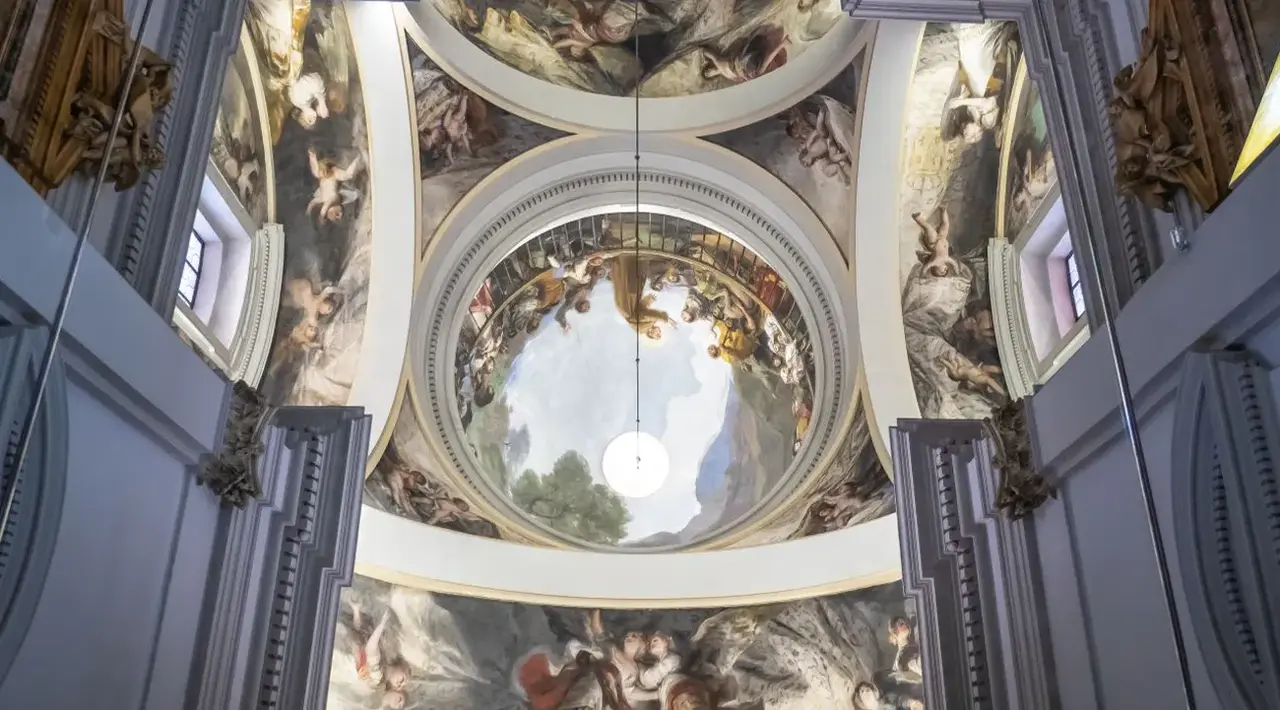
The neoclassical Royal Chapel of St Anthony of La Florida may appear unassuming from the outside, but the interior is truly a sight to behold. The small chapel is crowned by a magnificent domed ceiling with a mural painted by revered Spanish artist Francisco Goya. The frescoes depict the miracles of St Anthony in a scene that stretches across the ceiling to the walls that fringe the chapel and also surround the artist’s remains buried in front of the altar. Other architectural highlights of the city include the Almudena Cathedral and the opulent Royal Palace of Madrid.
Where to dine
Mandarin Oriental Ritz’s Deessa is an unmissable culinary experience. The two-Michelin-starred restaurant centres its offering around Valencian cuisine and spectacular seafood, which is complemented by the palatial environs of the Alfonso XIII dining room. As well as Deessa, Madrid is home to a number of Michelin-starred eateries, such as A’Barra, which serves sophisticated contemporary cuisine, and Japanese spot Toki, which seats just six diners. Other foodie favourites that shouldn’t be missed include Asian-Spanish fusion venue DiverXO, and Botín, a specialist in classic Spanish dishes and one of the oldest restaurants in the world.
Pair it with
Madrid is the perfect starting point for a multi-centre adventure. Whether history, wine or culture is the priority, there are plenty of options for an idyllic Spanish sojourn.
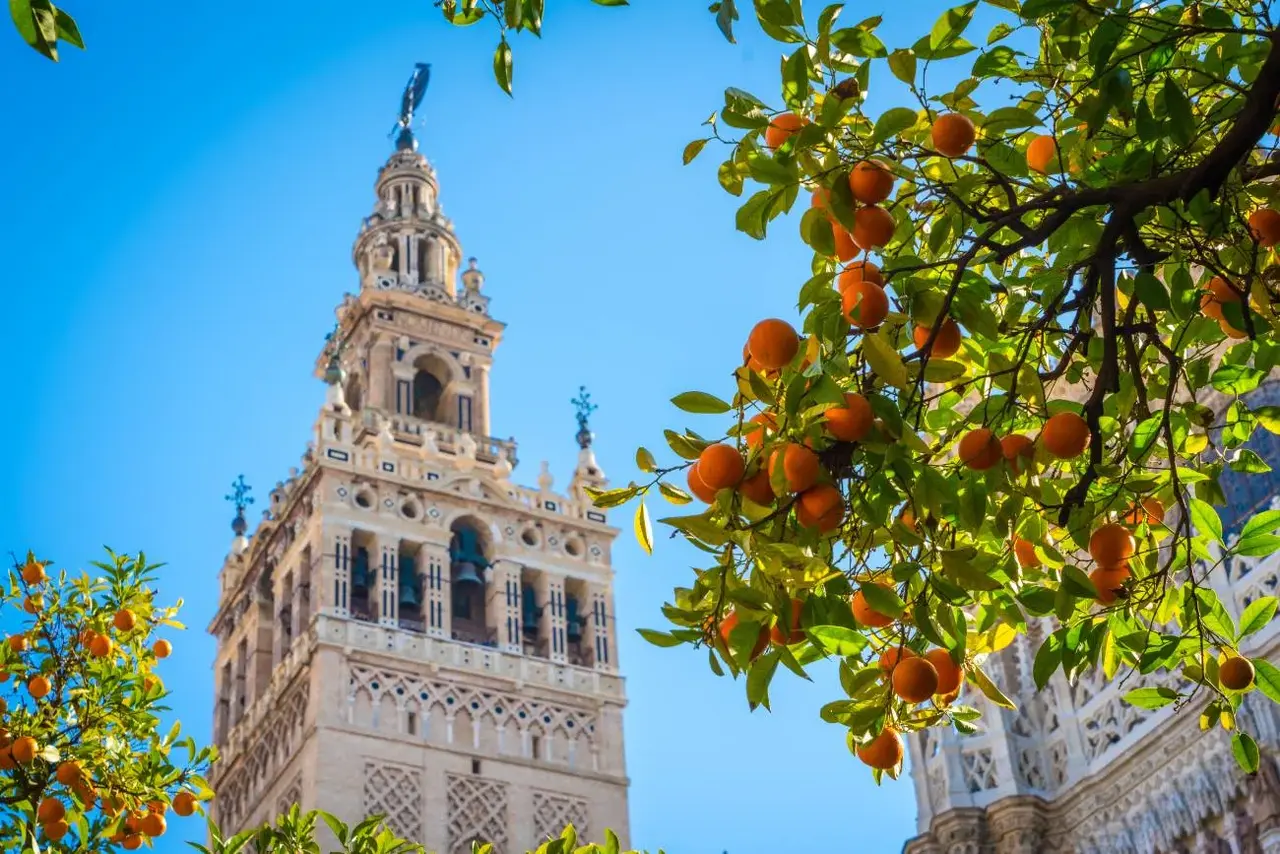
Seville: Balmy weather and sumptuous tapas are just the start with this pretty city. Winding cobblestoned streets are flanked by picture-perfect palaces and a grand cathedral, interspersed by clusters of orange trees that are emblematic of the city. The birthplace of flamenco, Seville is the place to witness the dance.
Salamanca: To walk through this city is to take a trip back through time. With its two cathedrals, famed central square and celebrated ancient university, Salamanca’s historical centre is a Unesco World Heritage Site.
Logrono: The capital of the La Rioja region, Logroño is synonymous with fantastic wine. As well as sampling the local specialities at a vineyard or pincho bar, visitors should explore the historic quarter and marvel at the centuries-old civil architecture.
Related to this story





Jacobs Media is a company registered in England and Wales, company number 08713328. 3rd Floor, 52 Grosvenor Gardens, London SW1W 0AU.
© 2025 Jacobs Media

