


In Focus: Why now is the time to capitalise on the growing trend of astro-tourism
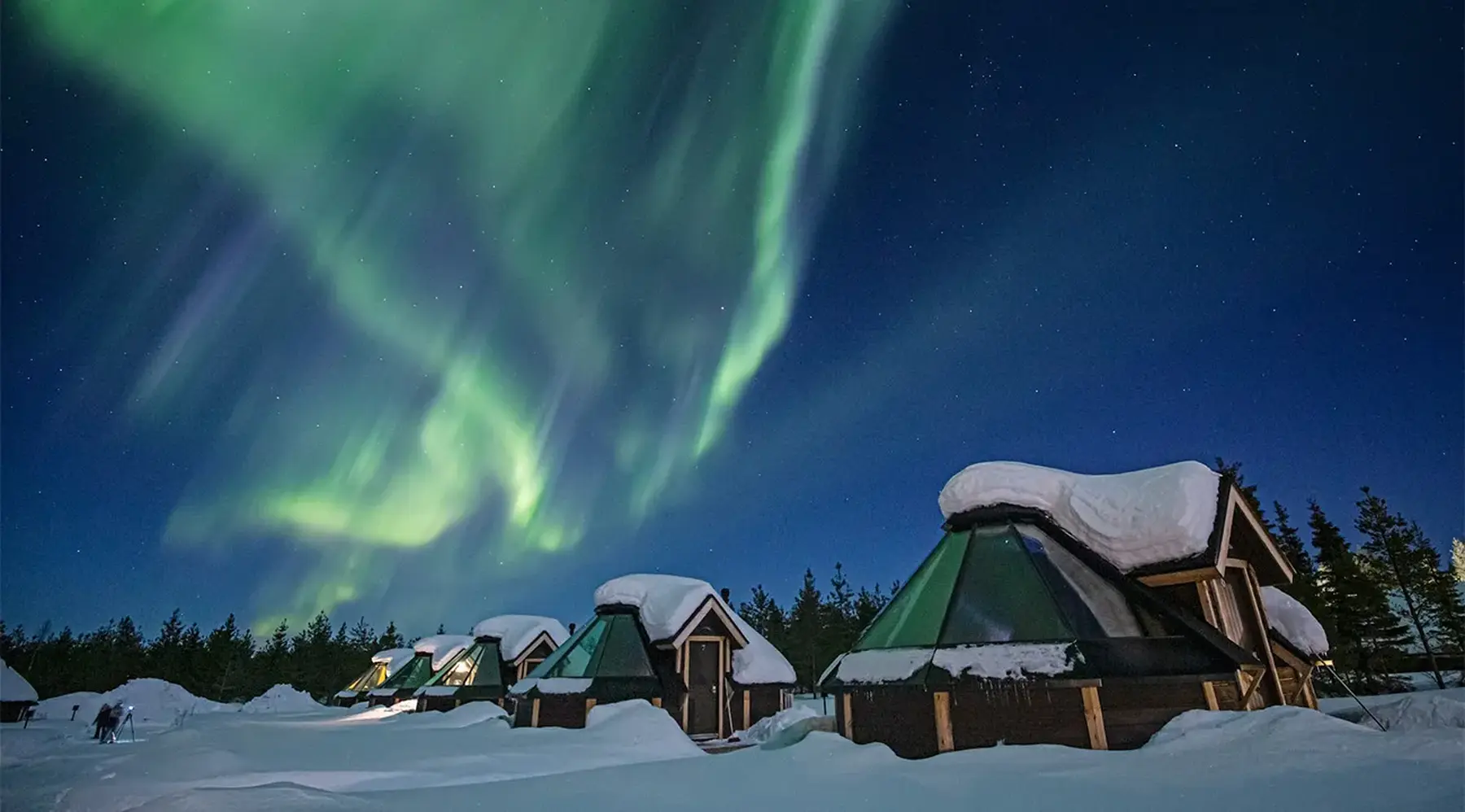


For many, prime activity time on holiday takes place during daylight hours. Mornings and afternoons are filled with swimming, sightseeing and sunbathing, while evenings are reserved for eating, drinking and, subsequently, sleeping. But now, under the cover of nightfall, a whole new world of activity is opening up. According to Booking.com’s 2025 travel predictions report, more than half of British travellers are actively considering holidays to darker sky destinations, while Virtuoso’s round-up of the year’s biggest trends includes planning trips around celestial events. This trend, dubbed ‘astro-tourism’, sees travellers seeking experiences set against the backdrop of the night sky, whether that’s watching for meteor showers, eclipses or the aurora borealis – and its star only seems to be rising.
Right place, right time
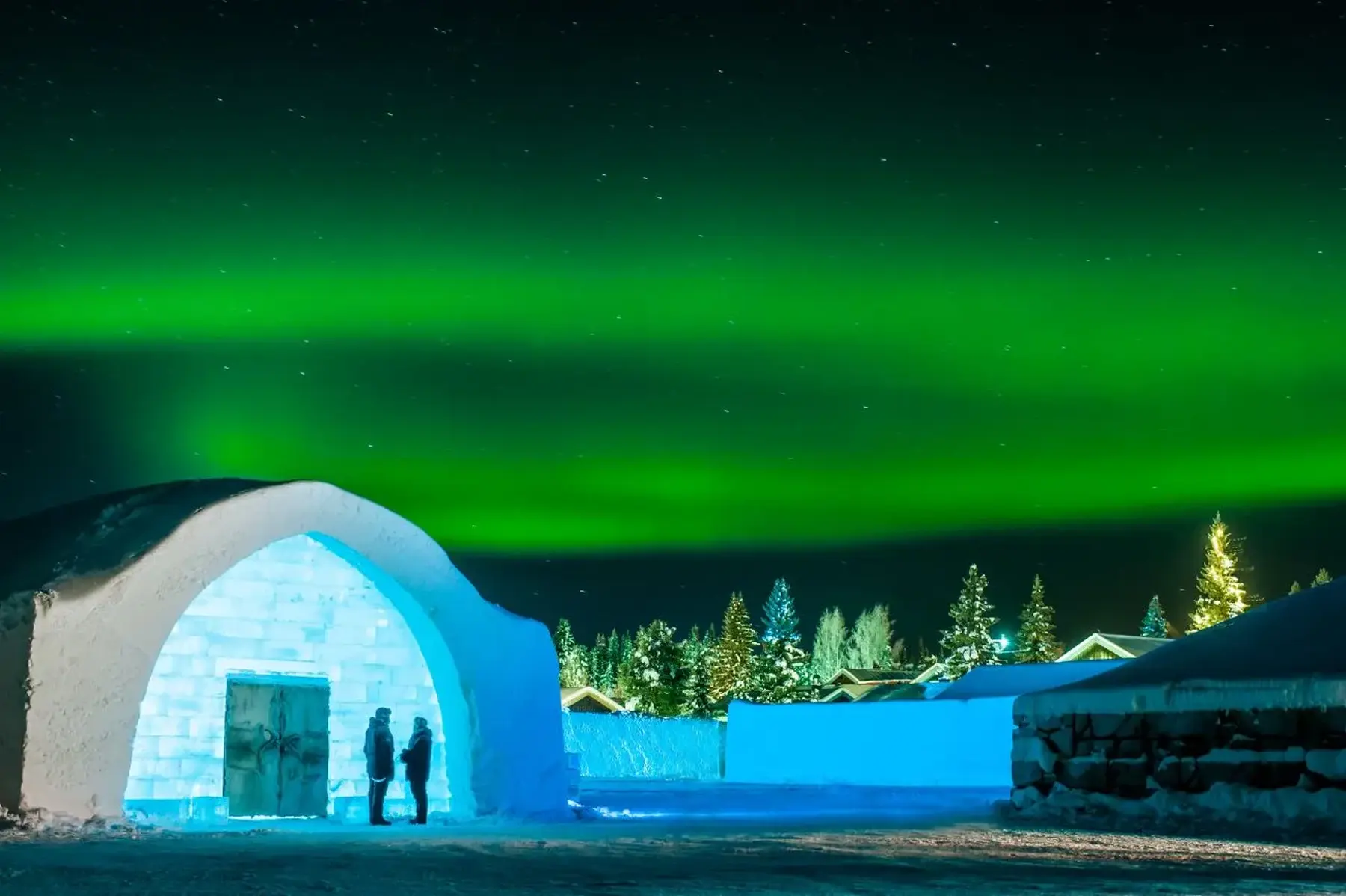
Catching a glimpse of the northern lights has been a mainstay on many people’s wish lists for years, but in 2025 the solar maximum – when the sun is at the most active part of its 11-year cycle – reaches its peak, promising the best aurora borealis sightings for more than a decade. The UK’s first specialist northern lights operator, The Aurora Zone, has reported a 63% increase in bookings for September 1 onwards compared with the previous year, while Audley Travel has seen a spike in people heading to Iceland to catch sight of the lights. Rob Gannon, one of Audley’s Norway and Iceland specialists, says: “I’ve been selling Iceland for four or five years, and [northern lights holidays have] always been a thing.
People have always wanted to do it, but it’s definitely much more popular now.” The solar maximum has also had a role to play in bringing the aurora borealis closer to home. The phenomenon has been spotted across the UK at various points over the past two years but, surprisingly, hasn’t diluted travellers’ interest in venturing farther afield to witness the lights in their more common natural habitats. In fact, these sightings have had the opposite effect, as Amy Hope, managing director of The Aurora Zone, explains. “Because there’s more solar activity and it’s stronger, we’ve been able to see the lights further south in the UK,” she says. “But we found that quite a lot of people had ‘fomo’ because so‑and‑so had seen them and they hadn’t, so that sparked their interest.”
Starry-eyed
And now isn’t just a great time for viewing the aurora borealis. The night sky in its natural state is an illuminated canvas of celestial activity and, with an increasing number of Dark Sky Parks and hotel stargazing experiences on offer, there has never been a better time to sit back and observe the magic. To cater to the expanding demand for astro‑tourism experiences, more and more areas have been inducted as Dark Sky Places – regions of protected land that restrict and reduce light pollution to maintain dark skies – including the Saudi Arabian Manara and Al Gharameel Nature Reserves, marking the first parks of their kind in the Middle East. Having these designated spaces isn’t just beneficial for tourism, either – according to Susan Serven, chief development and marketing officer of US‑based non‑profit organisation DarkSky International, Dark Sky Places are “good for people, good for economic development and good for the planet”.
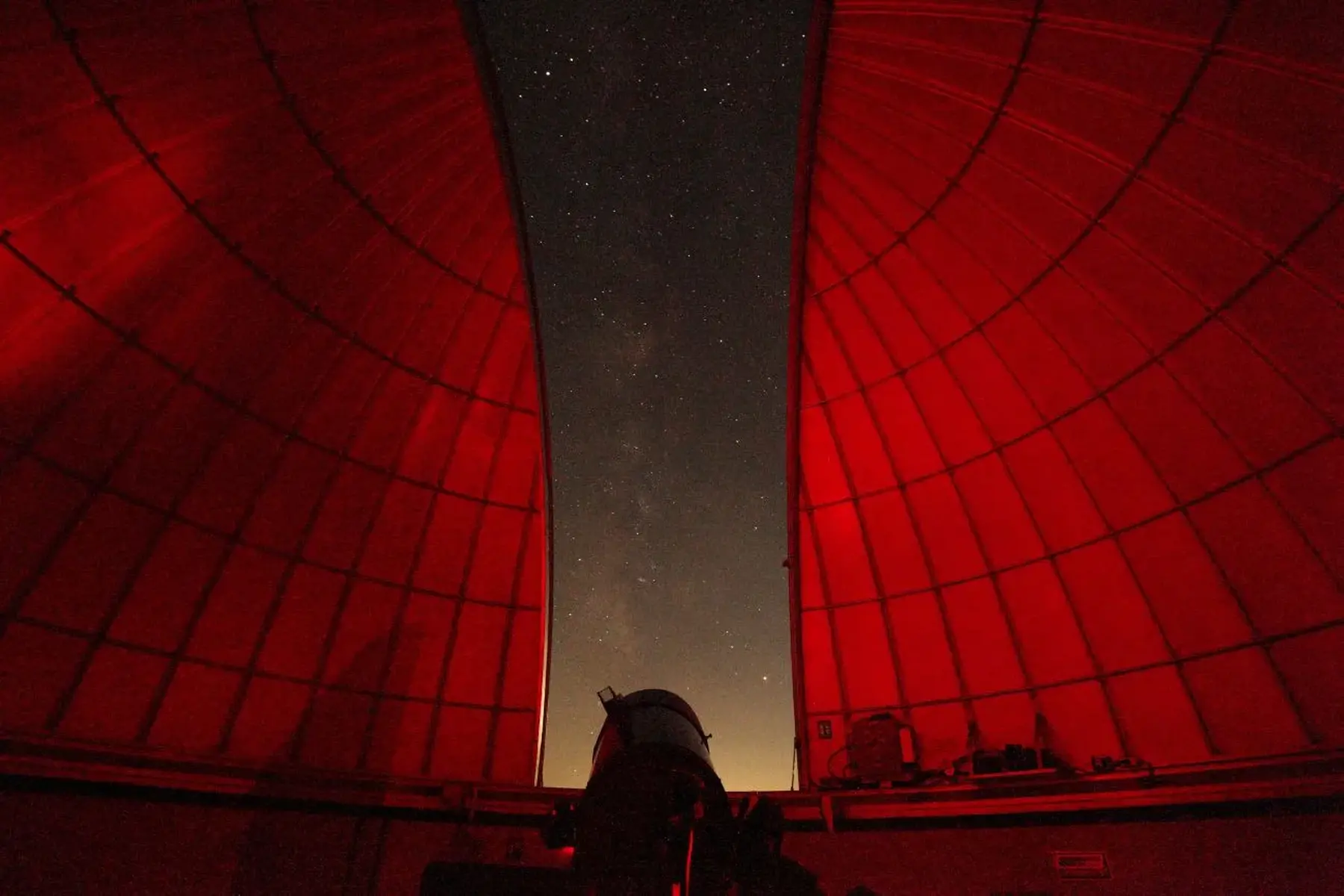
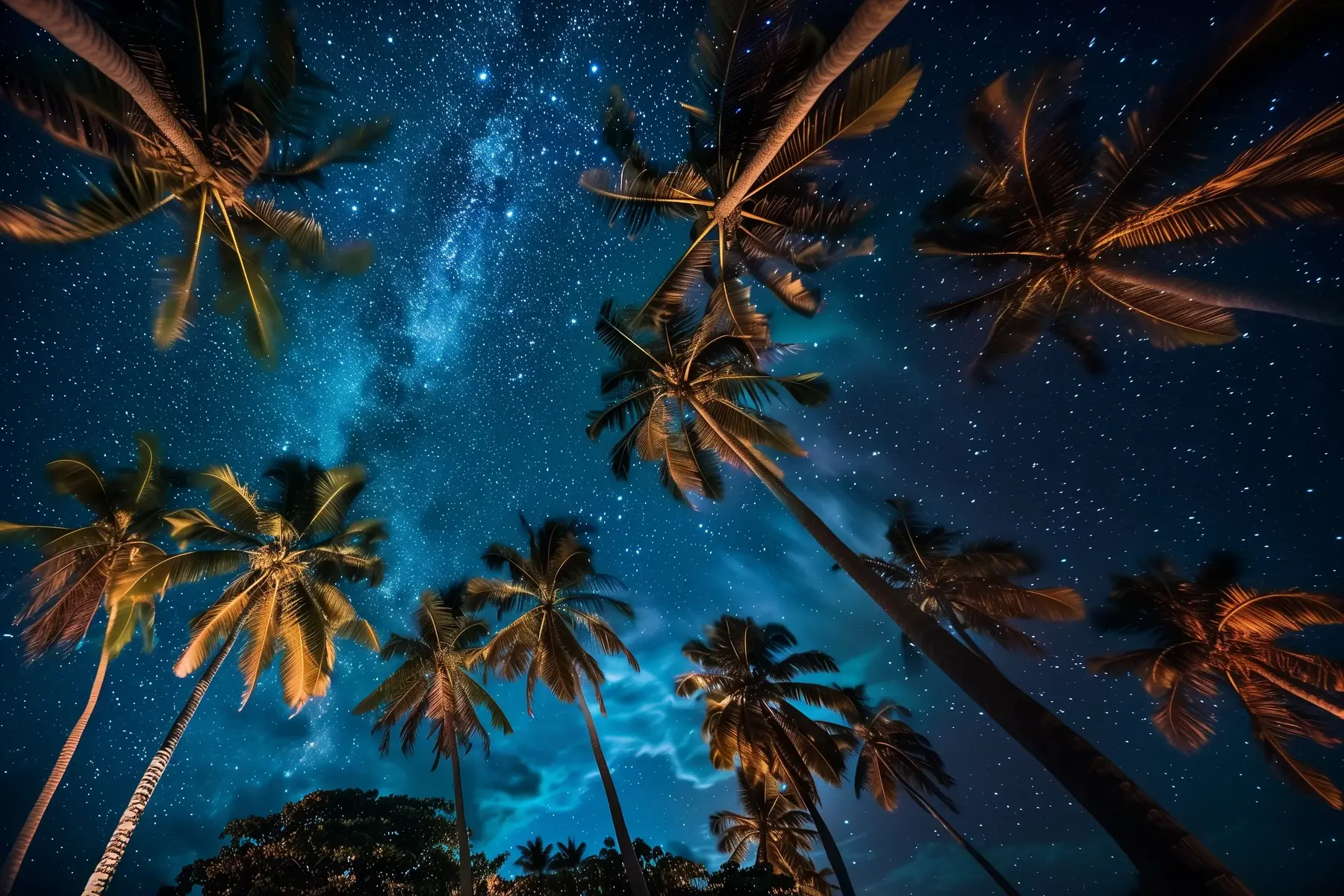
This is a sentiment echoed by Lucasz Prendke, general manager of Sirru Fen Fushi in the Maldives, which has seen a “noticeable rise” in guests seeking astronomy‑related experiences. He explains: “Many guests come from urban areas where light pollution hides the night sky, so witnessing the stars here feels rare and magical. It also reflects a broader shift toward mindful, meaningful travel.” In November 2024, the hotel launched a collection of celestial activities curated by the property’s resident astronomer, allowing guests to join guided stargazing sessions and enjoy a cosmic‑themed dinner under the stars. Prendke says the response was “overwhelmingly positive”, which has prompted the resort to extend the offering year‑round. Elsewhere, guests at Primland Resort in Virginia’s Blue Ridge Mountains can watch the stars from the hotel’s fully equipped observatory, while Odera, on the Greek island of Tinos, will offer astrophotography sessions as part of its Tinos by Starlight retreat in September.
Tailored trips
Indeed, brands getting it right in this sector are those seeking to elevate guests’ experience beyond the ordinary, and high‑end tour operator Black Tomato hopes to do this through personalisation. Its collection of private eclipse tours are tailored around the dates of upcoming solar eclipses and take guests to wherever in the world offers the most superlative view, whether that be Iceland, Egypt or Spain – or even farther afield in Australia and New Zealand. Based on the clients’ desires, the company also arranges private sessions led by astronomers, naturalists and other guides to complement the seminal eclipse‑viewing moment. The Aurora Zone is also doing more to enhance its astro‑tourism offering.
The operator introduced its first portfolio of luxury Arctic holidays earlier this year, offering travellers fully customisable trips that can include everything from husky safaris to helicopter tours, in addition to aurora borealis hunting. The Aurora Aarre Collection was launched after the brand noticed a “gap in the market” for high‑end adventure travel. “I think with this being such a wish‑list item for a lot of people, they go in and think ‘I could do this in a cheap way, or I could do it [in a more premium] way and have my activities, clothing, transfers, meals and iconic accommodation [included]’,” Hope says. “People want to do it properly.” She makes a good point. Travellers are seeking astro‑tourism experiences – and they want to do them in style. With the sun expected to stay at its ‘maximum’ peak until next year, now is the time for agents and operators to reach for the stars and capitalise on this burgeoning trend.
Trending locations
Away from bright city lights, there are countless destinations around the world that perfectly lend themselves to stargazing, including more than 200 Dark Sky Places. So where should be top of the list? Angela Malek, senior travel specialist at Scott Dunn, hails the US as one of the best locations for watching the night sky light up. “We offer a variety of stargazing tours and experiences on our Montana, Wyoming and Southwest National Park trips, where the vast, unspoiled skies stretch endlessly above. The Dark Sky Parks across the US offer ideal conditions for experiencing the night sky in its full brilliance,” she says.
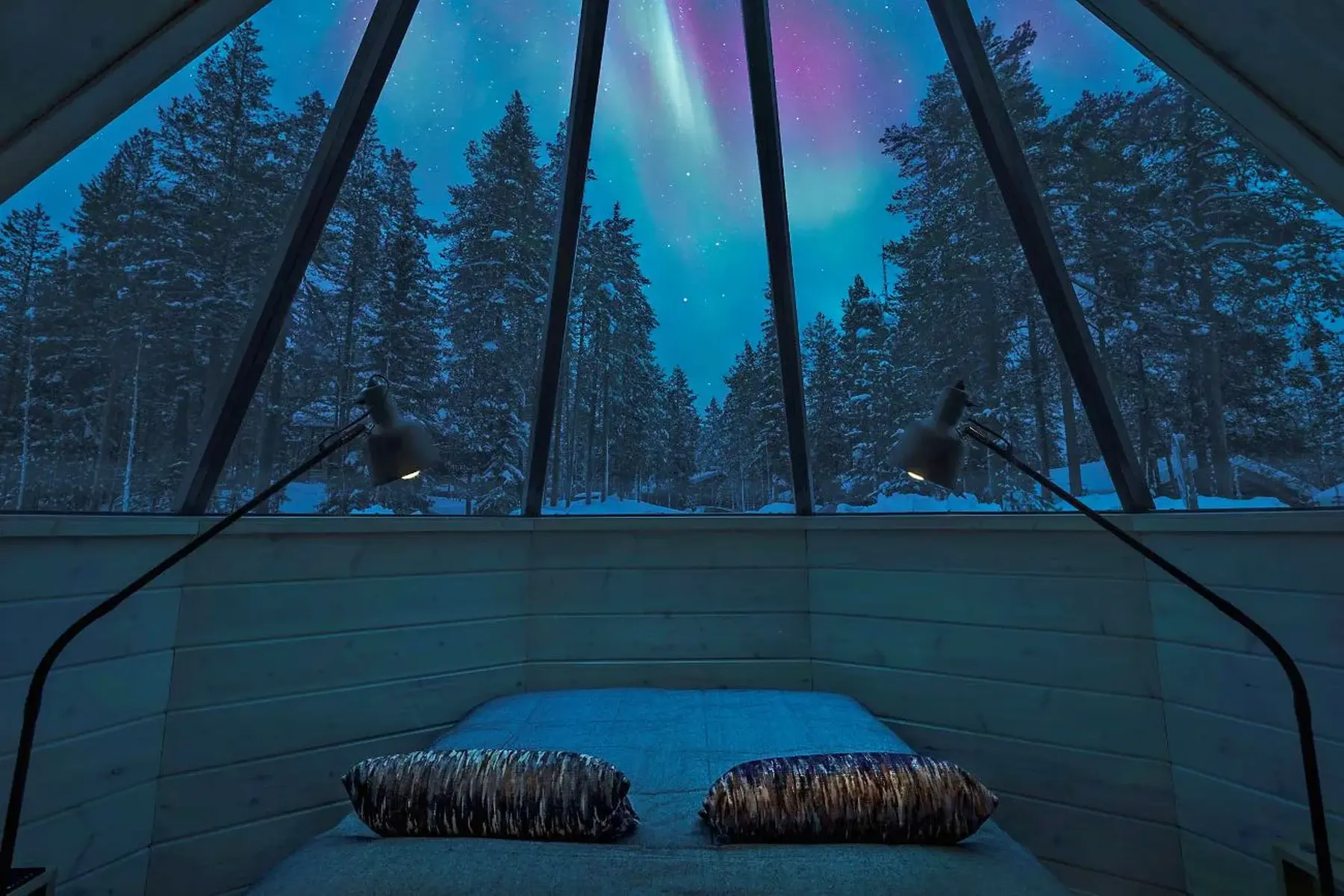
Other destinations that boast minimal light pollution include Interlaken in Switzerland, Leknes in Norway and Mauna Kea in Hawaii. When it comes to tracking down the northern lights, places such as Alaska, Canada, Iceland, Norway, Sweden and Finland are great options, as they provide “the ideal combination of northern latitudes and extended hours of darkness”, Malek says. Wherever clients choose to go in search of the aurora borealis and its dancing ribbons of green and violet, a local guide will no doubt prove to be a worthwhile addition to ensure the most informative, enjoyable and memorable experience.
Related to this story
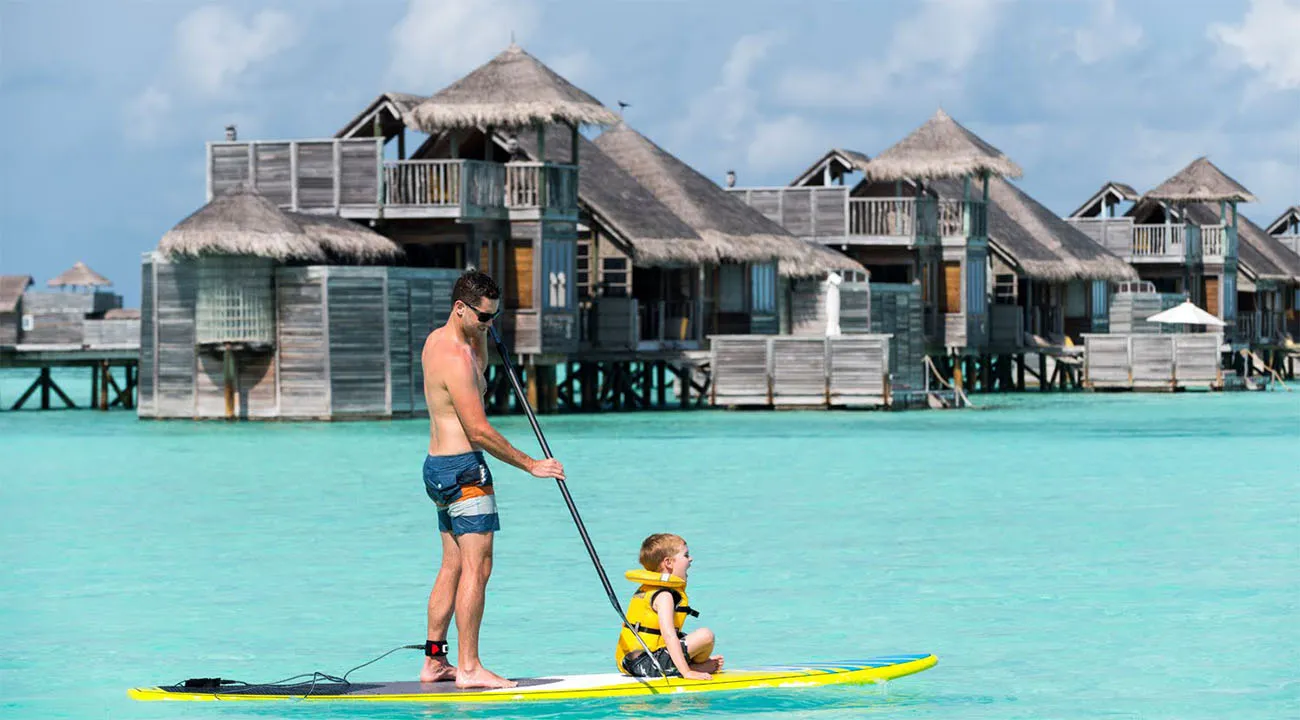
A guide to family-friendly resorts in the Maldives

A&K Travel Group founder Geoffrey Kent shares his aspirations for the company




Jacobs Media is a company registered in England and Wales, company number 08713328. 3rd Floor, 52 Grosvenor Gardens, London SW1W 0AU.
© 2025 Jacobs Media
