


In Focus: The luxury sector’s resilience amid US turbulence
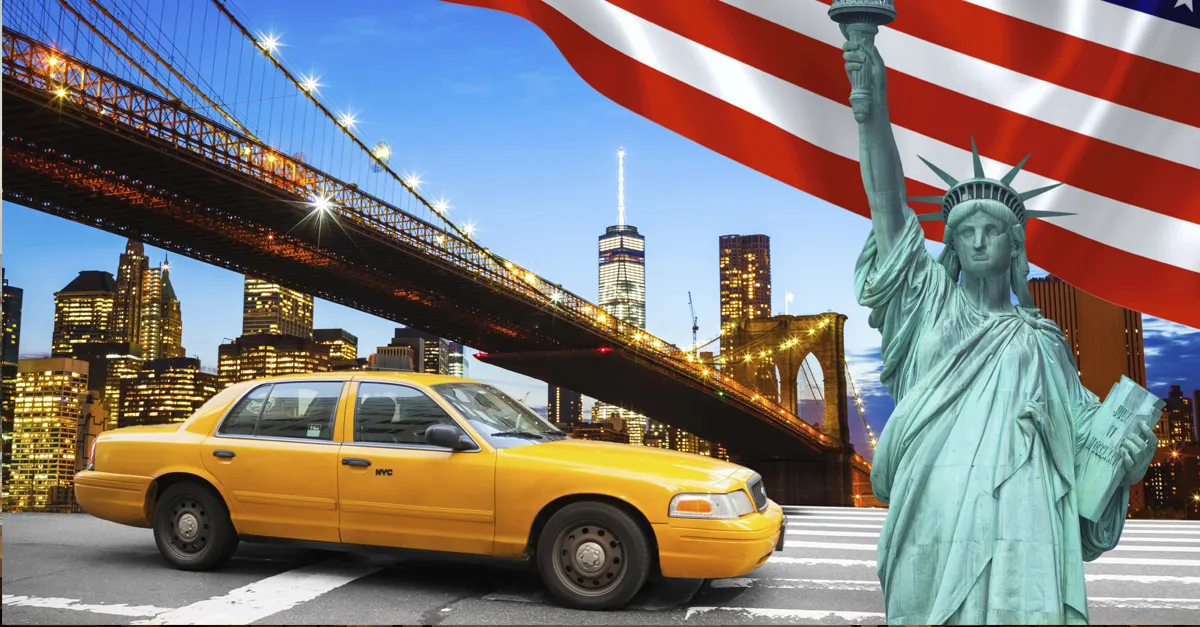


The United States has long been one of the world’s most popular tourist destinations, attracting more than 70 million visitors annually – but 2025 has been a more nuanced story. International arrivals are projected to drop by 6.3% compared with 2024, according to Tourism Economics, although this is an improvement on an 8.7% downturn previously predicted. The new forecast would leave 2025 visitor numbers at 85% of the 2019 total, according to the US Travel Association.
This shortfall is being linked to political and ideological differences, immigration restrictions and rising costs, but the luxury market is seemingly feeling fewer effects. Emerging premium destinations such as Nashville and the Deep South, and events including the 2026 Fifa World Cup, are encouraging the travel trade that US demand will bounce back.
Mixed picture
US tourism was projected to grow at the start of the year. Ahead of President Donald Trump’s inauguration on January 20, the US Travel Association predicted inbound international travel would increase by 8.8% in 2025. But the association went on to report a 14% year‑on‑year decrease in March – albeit the size of the drop was largely attributed to the timing of Easter – while the US International Trade Administration saw inbound western European travellers drop by 17.2% in the same month, with the UK down 14.3%.
Tourism Economics reported improvement in July, with the year‑to‑date downturn at 1.6%. In August, the US Department of Commerce stated total UK visitor numbers were up 2.1% to 2.64 million compared with the same period last year. Looking ahead, visitor numbers look set to recover and rise by 3.7% in 2026, with overall visitation expected to return to 2024 levels by 2027.
UK agents and operators are experiencing effects on US bookings to varying degrees. David Pointer, North America product manager at Inspiring Travel, says the operator has seen a “slight decline” in bookings, adding: “British travellers are less enthusiastic about the US at present, but we are confident this will return.”
Simon Lynch, Scott Dunn’s global product and strategy director, describes travel to the US as a “mixed picture”, with “enquiries softening since the spring”. He cites wildfires, tariffs, protests, “sometimeschallenging immigration experiences” and the political climate as causes of hesitation. Nevertheless, he says “the weakening dollar against the pound and more competitive airfares have worked in the US’s favour”, and that while “clients did hold back initially, once the [political] situation settled, bookings came through”.
Maggi Smit, managing director at specialist operator America As You Like It, says “growing competition from other long‑haul destinations” is challenging the US, but “forward bookings for 2026 are looking very strong, which gives us confidence for the longer term”.
Indeed, results from a Visit USA Association survey of 15 UK‑based US specialist tour operators found that, in Q2 of 2025, 60% said enquiries, searches and bookings were above or on a par with 2024 levels. Moreover, 100% reported zero cancellations or changes to forward bookings.
Fred Dixon, president and chief executive of destination marketing organisation Brand USA, says: “The UK has retained its position as the number‑one market for international visitation, and we’re optimistic this trend will continue into 2026.”
Luxury demand
Perhaps unsurprisingly, the top end of the market is holding firm. “Luxury travellers tend to be less influenced by external factors, so bookings in this segment have remained relatively consistent,” Smit says.
Lily Carey, head of product and partnerships at concierge company Quintessentially Travel, agrees: “Our ultra‑high‑net‑worth European‑based clients have continued travelling to the US at the same pace as previous years.” She attributes this to the country having a “sense of familiarity for British travellers”, a status as a “wish-list” destination and “reliable service standards” that high-end travellers prioritise.
Lynch maintains this is unlikely to change as “the US still stands out for its sheer quality of product”. Recent openings such as One&Only Moonlight Basin in Montana, as well as upcoming debuts including Rosewood Calistoga in Napa and Four Seasons outposts in Deer Valley and Charleston – all due before 2030 – will likely continue to entice luxury travellers stateside.
The US’s most recognisable destinations also remain popular, with many travellers favouring VIP packages for Florida theme parks, celebrations in Las Vegas, island-hopping in Hawaii and adventures in Alaska. Lynch reports that city breaks, including to New York, have “dipped, largely because travellers want to avoid the perceived stress of border control for just a few days away”.
Scott Dunn, Quintessentially Travel and America As You Like It all label California a “frontrunner”, particularly for “wish-list trips”. In the same vein, lengthy sojourns to national parks are proving popular, with Chris Hedley, managing director of American Affair, citing drama series Yellowstone as inspiration.
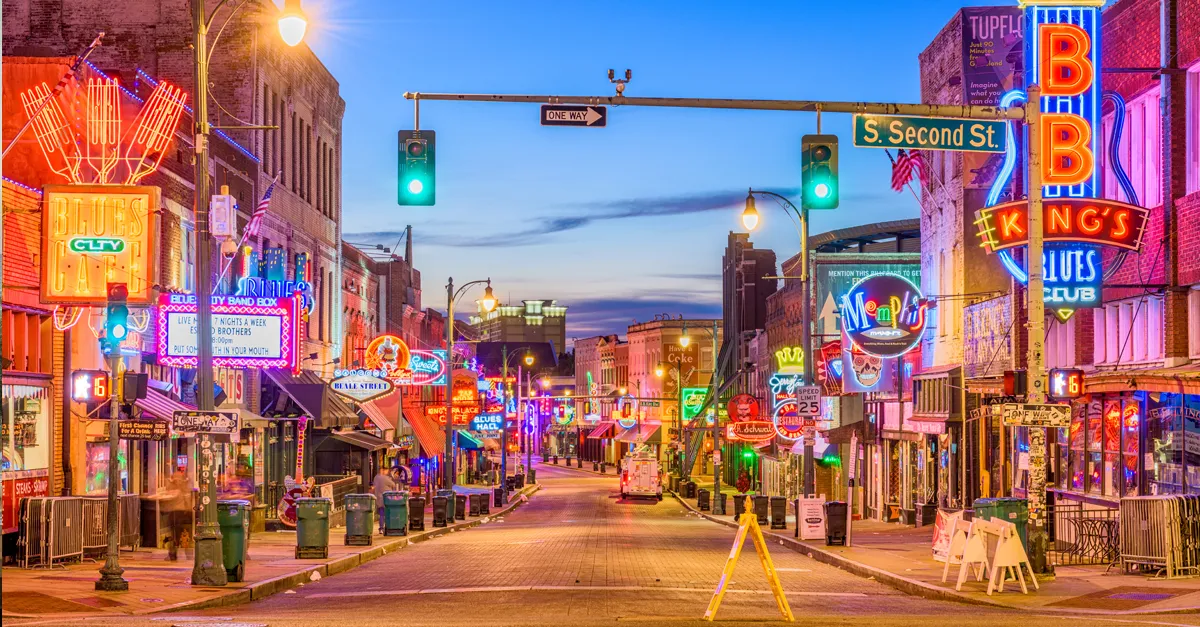
Increasing interest is also being seen around southern states such as Alabama, Mississippi, Tennessee, Texas and Utah for more ‘off-the-beatentrack’ itineraries. This includes Nashville, with Julia Lo Bue-Said, chief executive of Advantage Travel Partnership, saying “the growing popularity of country music” has hugely boosted its profile. The recent expansion of Canyon Spirit’s rail route into Salt Lake City is also highly anticipated.
Landmark events
In addition, exciting milestones to generate interest are on the horizon, including the 250th anniversary of American independence and Route 66’s centenary next year. Hedley says the highway’s anniversary has “sparked a rise in demand” at American Affair, while Inspiring Travel will launch a road trip to mark the occasion.
Perhaps the most notable upcoming event is the 2026 Fifa World Cup, which many see as a chance to promote US tourism. Dixon says: “1.5 billion viewers tuned in to the 2022 World Cup final, and the UK represented the fourth-largest market to attend the Qatar games, so we’re preparing for this incredible moment with anticipation.”
Smit expects the tournament to “drive strong sales into 2027 and beyond”, with the LA 2028 Olympic Games continuing this momentum. “The US remains firmly on the wish list for many travellers,” she says. “With its incredible diversity of destinations, landscapes and experiences, any short-term dips in demand are unlikely to have a lasting effect.”
Related to this story

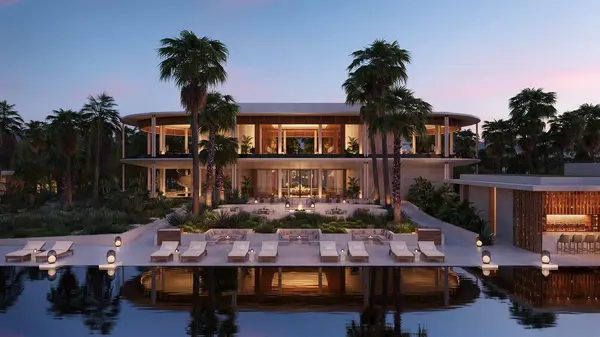
Aman to debut Mexico property in spring 2026

Aman to open first ‘ranch-inspired’ resort in Texas
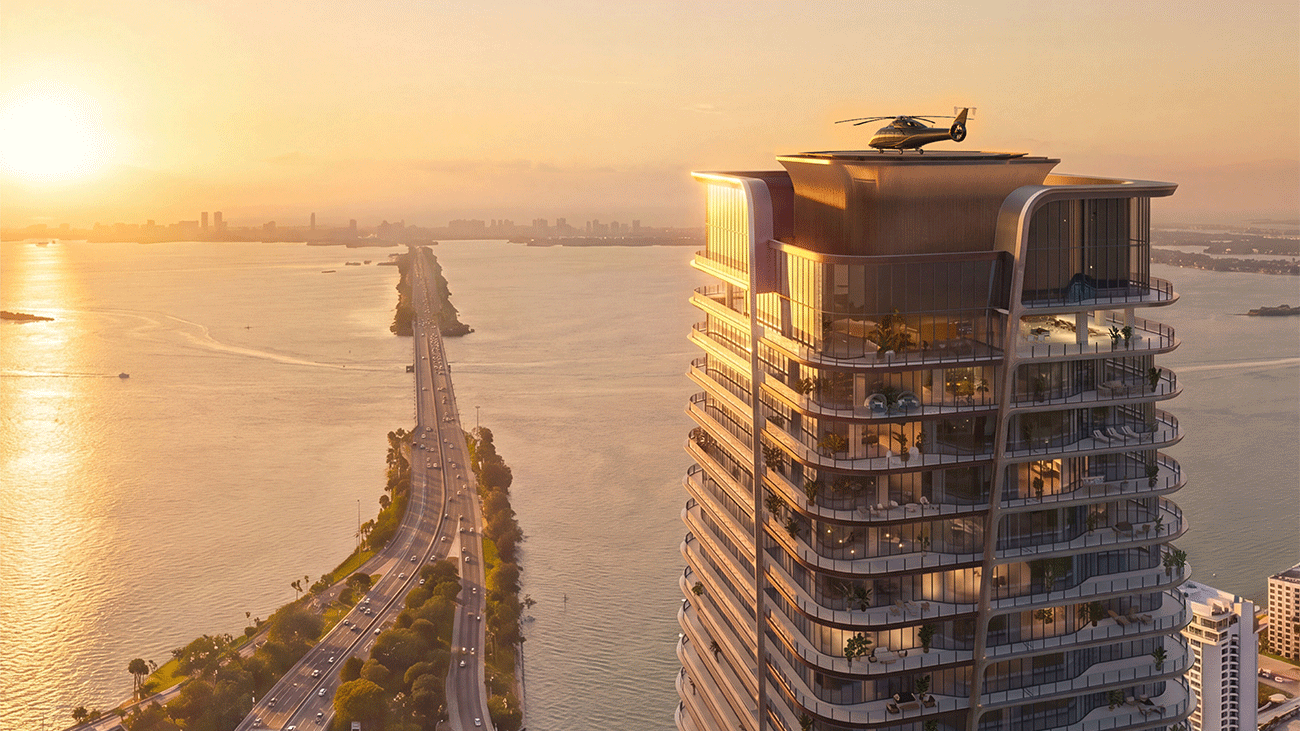
Anantara to make US debut in 2030 with Miami resort




Jacobs Media is a company registered in England and Wales, company number 08713328. 3rd Floor, 52 Grosvenor Gardens, London SW1W 0AU.
© 2025 Jacobs Media
