


Soul searching: Discovering the undeniable spirit of Zanzibar
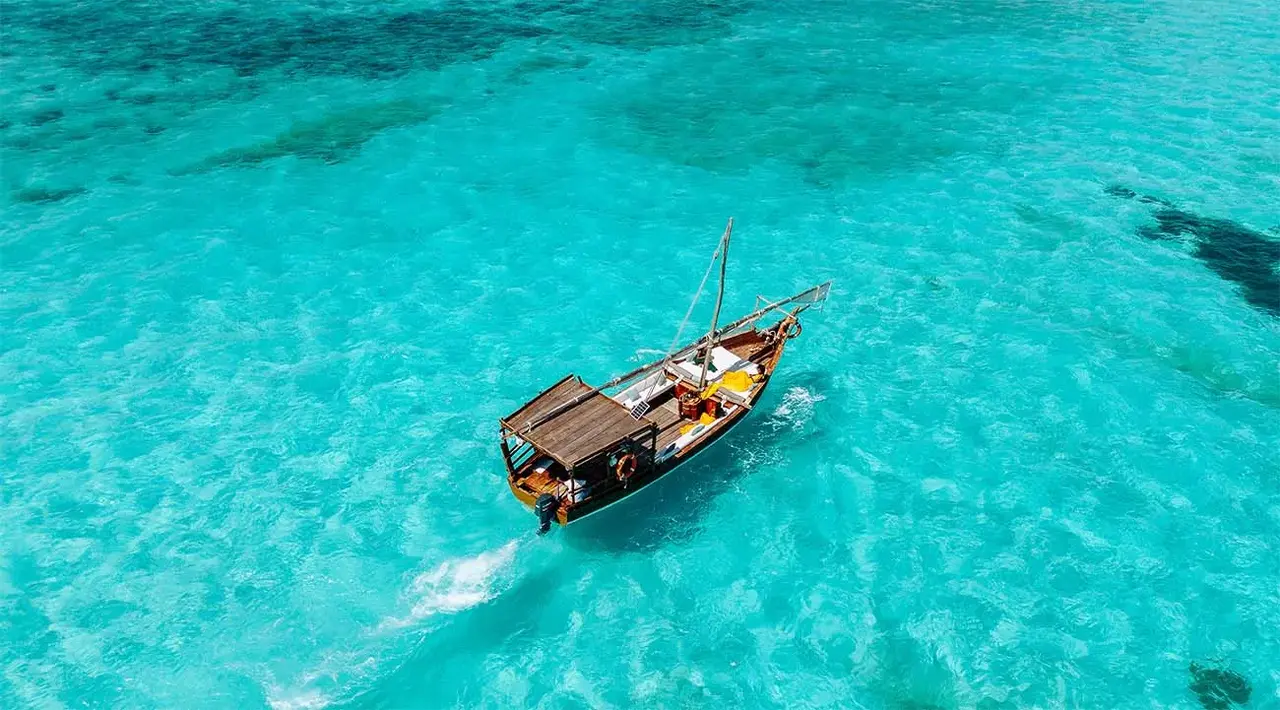


“What three things could you not survive without on a desert island?” The question is apt, given our predicament. We’re huddled under a shelter on a secluded island, marooned mid-ocean as we wait out the torrential rain that brought our ocean safari to a dramatic pause. When the grey clouds unfurled on the horizon, the crew of our wooden dhow sprang into action, wrestling with a tarpaulin cover and steering us towards palm-studded Kwale Island.
Luckily, our place of refuge, nestled within the Menai Bay Conservation Area off the southwestern coast of Unguja – the largest island in Zanzibar’s archipelago – is the designated lunch stop on local operator Safari Blue’s ocean tour. We’ve simply arrived earlier – and a little more theatrically – than planned.
Indeed, the downpour does little to dampen everyone’s mood, so easy is it to slip into the unshakably positive, carefree spirit of the Zanzibari people. A hand‑painted sign above the beach reads ‘always smiling’ – and it couldn’t be more fitting. It’s a sentiment I’ve felt since arriving in Zanzibar from strangers quick to smile, burst into song or joyously shout hakuna matata – the Swahili mantra that translates to ‘no worries’.
Soon, the rain softens to a drizzle and we’re ushered to a secluded spot where a table sits overlooking the calming sea, laden with sesame and coconut bread, red lentil dhal and fluffy rice. The aromas from a barbecue overflowing with lobster, prawns and seared tuna make my stomach growl in anticipation of our feast – and just like that, I’m thankful that we waited for the storm to pass.
Shifting tides
By the time our plates are clean, the clouds have vanished as if they were never there, leaving blazing sun in their wake. It’s a striking, but not surprising, shift according to the locals. It’s June when I visit and Mother Nature is slightly more unpredictable than during the dry season from July to October. Not wasting a moment of her generosity, we clamber back on board the dhow and cruise to Kwale Island’s mangrove lagoon – a glassy pool dotted with tangled roots and swaying greenery.
The local community, with the support of the World Wide Fund for Nature, works to protect Kwale Island’s natural beauty – and their efforts don’t go unnoticed. It’s an idyllic location, thick with vegetation, from the lagoon’s twisting tendrils to the ancient and gnarled baobab tree standing proud in the island’s centre. Souvenir stalls spill out from the shade and a well-worn, brightly painted fishing boat has been charmingly fashioned into a beach bar.
Over the years, Kwale Island has become a staple stop for ocean tours, with Safari Blue bringing up to 20 boats to the island per day in peak season. As such, it can feel a little crowded, but private tours can be arranged. Ours, organised by the concierge team at The Residence Zanzibar – our home during the trip – offers exclusive access to quieter shores and a discreet lunch spot.
The lively atmosphere is proof that Zanzibar’s appeal is on the rise. In April, the destination marked a 28% year‑on‑year increase in visitor numbers, with the UK its fourth‑largest source market. What’s more, 88% of tourists arrived via international flights, reflecting Zanzibar’s growing status as a standalone destination – something to which Syed Aftab, general manager at The Residence, attests. “Pre-pandemic, most guests visited Zanzibar as part of a safari twin‑centre with Tanzania, but now travellers stay longer and explore the island on its own,” he says, noting that the average length of stay has increased from two to five nights.
While excursions don’t yet feel entirely geared towards luxury travellers, Zanzibar has its sights set on attracting high‑spending visitors through investment in tourism infrastructure. New high‑end hotels are also on the horizon: Four Seasons Resort Zanzibar and Anantara Zanzibar Resort are slated to open on Unguja in 2027, joining The Residence – part of Cenizaro Hotels and Resorts – which staked its claim on the island in 2011.
Jungle retreat
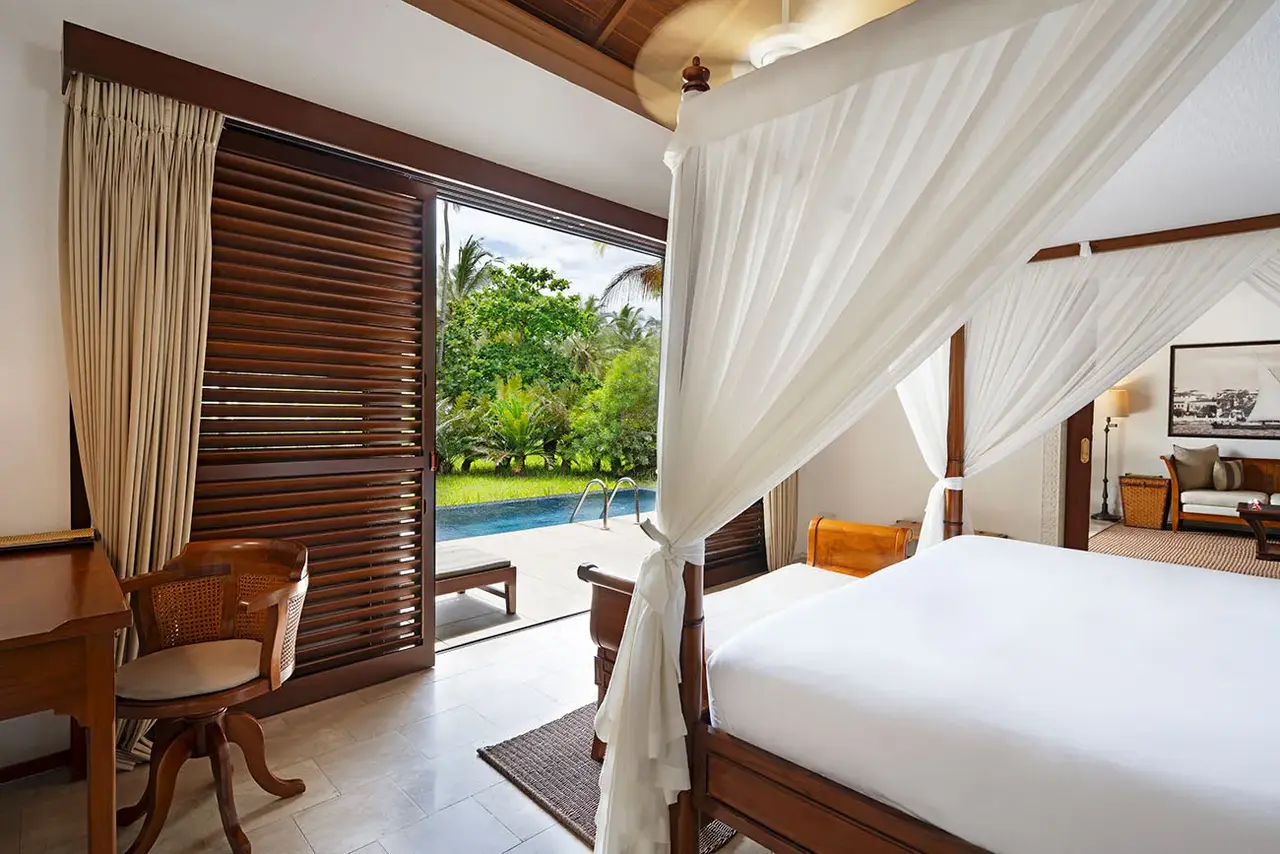
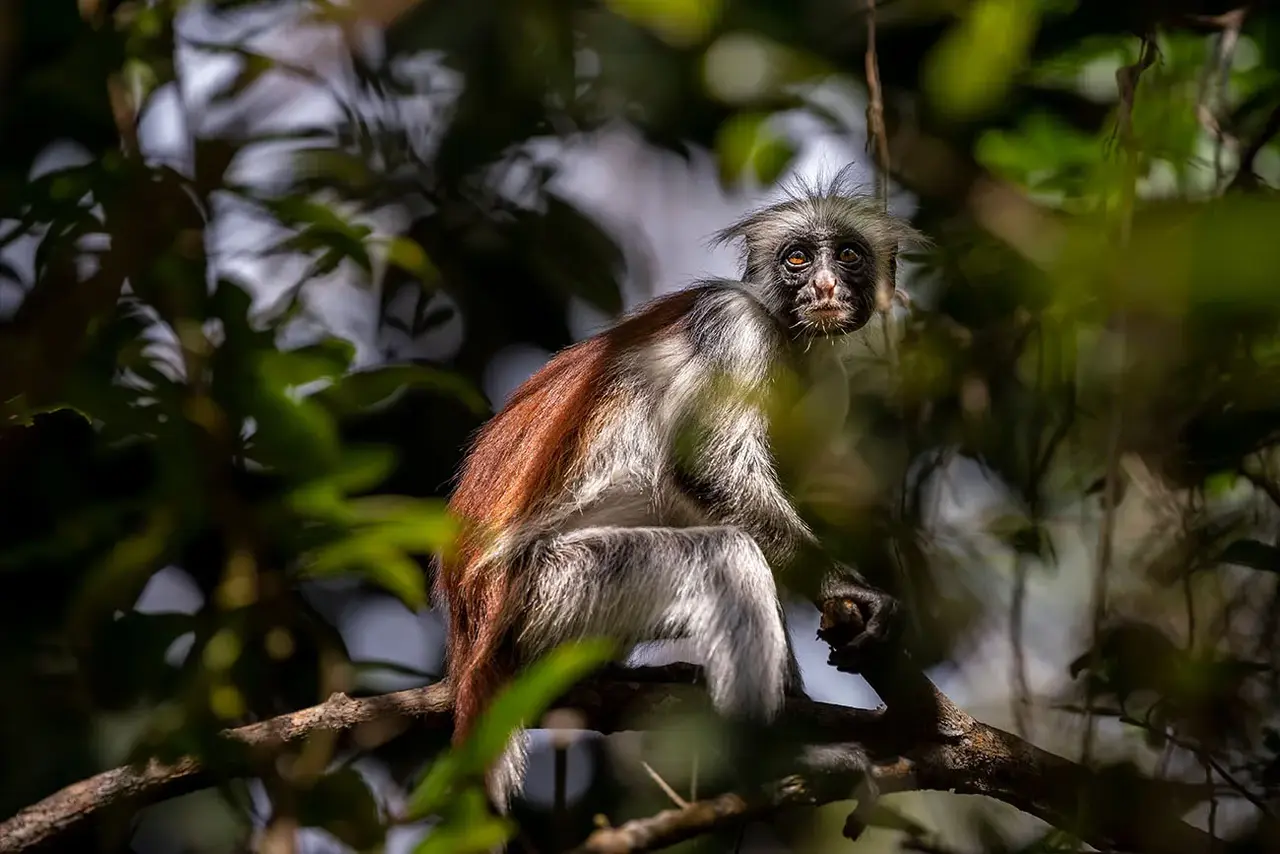
What strikes me most when I step into my suite at The Residence isn’t the inviting four-poster bed, strewn with fuchsia hibiscus flowers, or even the enormous bathtub, but the monkey nonchalantly perched beside my pool.
My surprise is short lived; these cheeky, deceptively adorable creatures – which I learn are native red colobus monkeys – are a common sight around the resort. Every morning as I cycle the property’s winding paths to breakfast, I’m stopped in my tracks, amused and awed in equal measure by playful infants swinging through the trees or babies perched on their mothers’ backs. The 79-acre resort feels like a nature reserve, enveloped by thriving tropical greenery that conceals other animals such as dik-diks and elephant shrews – all just steps from a postcard-perfect, palm-fringed beach.
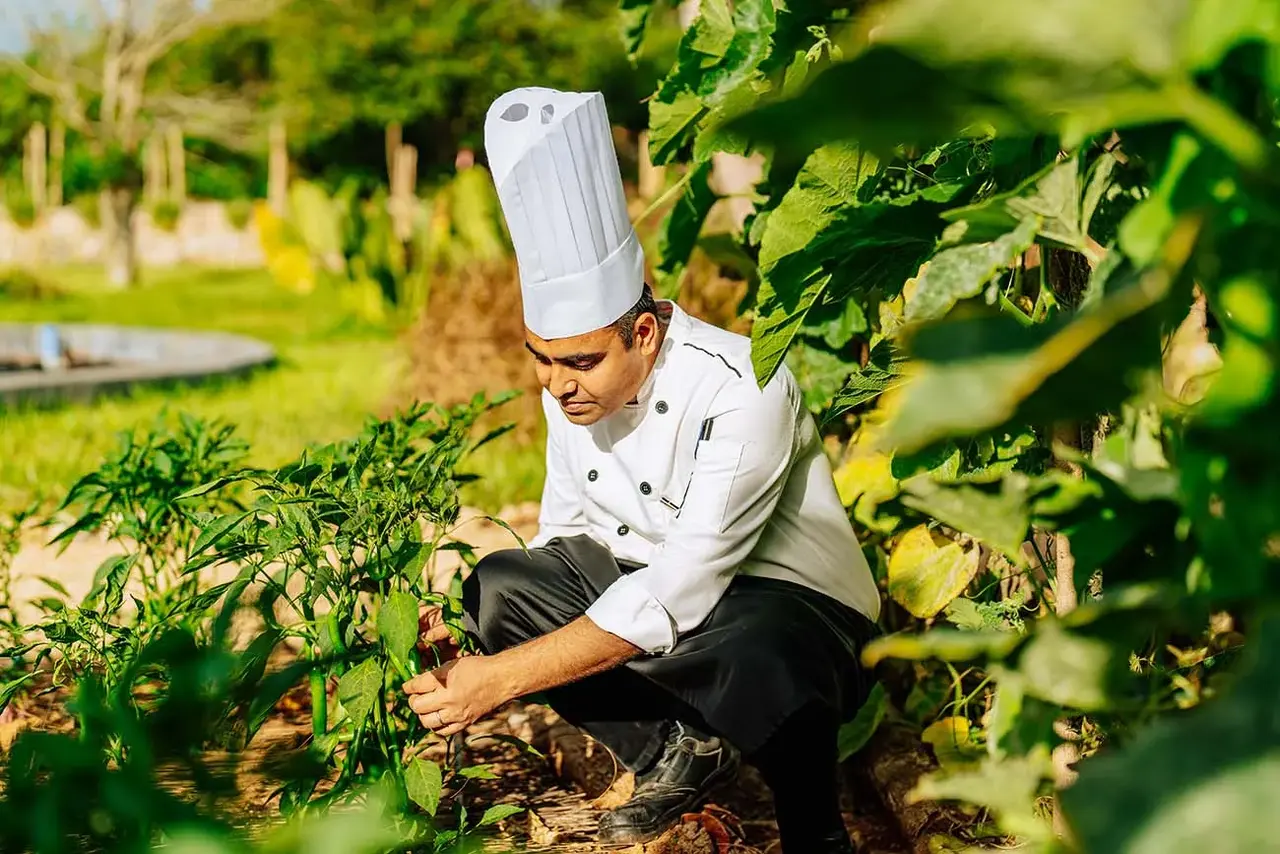
One afternoon, we visit the Earth Basket, a sprawling garden teeming with fragrant herbs, ripening vegetables and trees drooping with tropical fruit. The allotment provides produce for The Residence’s restaurants – and for our upcoming cooking class, where we’ll be learning to make authentic Swahili curries.
We walk around the gardens, picking okra, mint and chilli peppers, before making our way to the beach, where we whip up a medley of king fish, prawn and butternut squash curries infused with punchy spices.
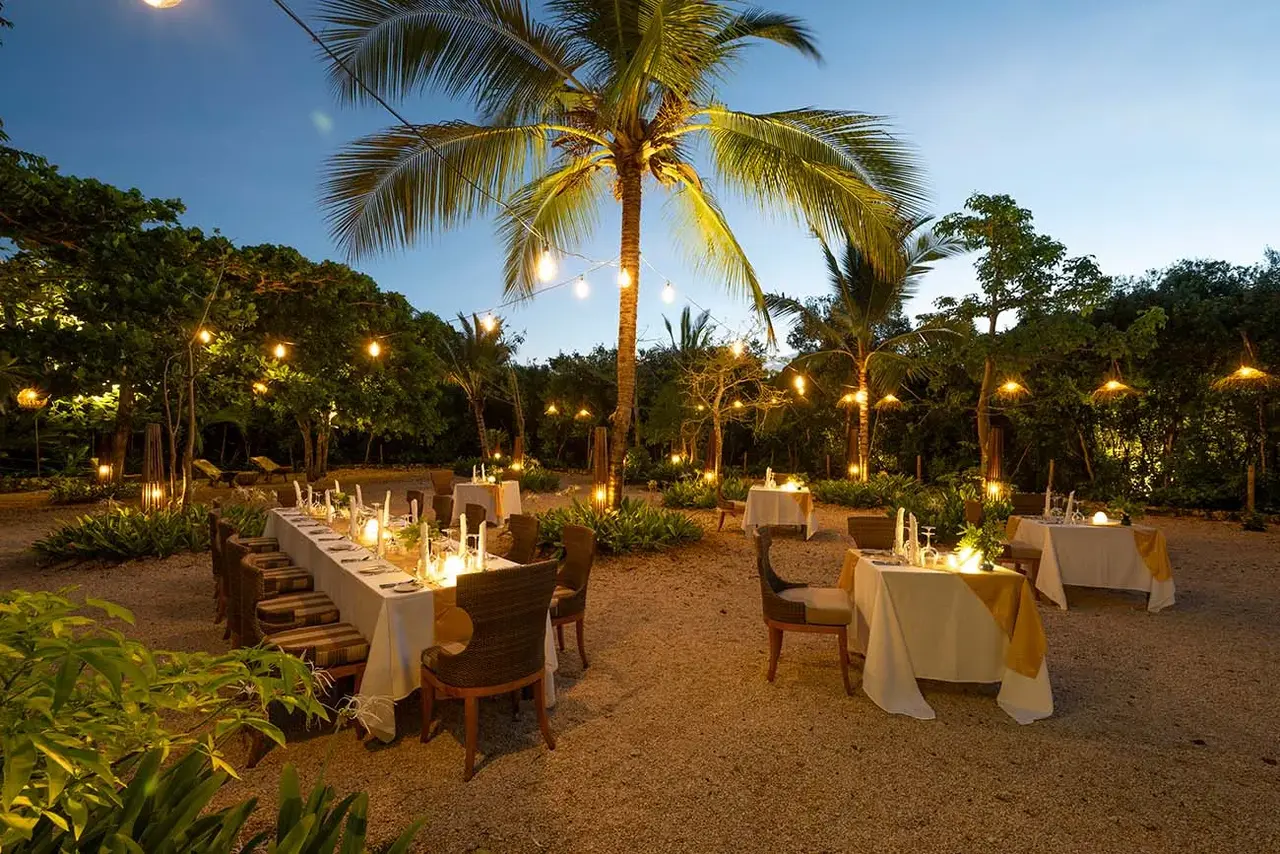
The dining experiences are undeniably a standout at The Residence – not only for the mouthwatering dishes but also for the beautiful settings in which meals are served. During our stay, the team arranges a host of intimate dinners against breathtaking backdrops, from a table encircled by flickering lanterns on a secluded beach to a poolside barbecue at the Presidential Villa.
Captivating culture
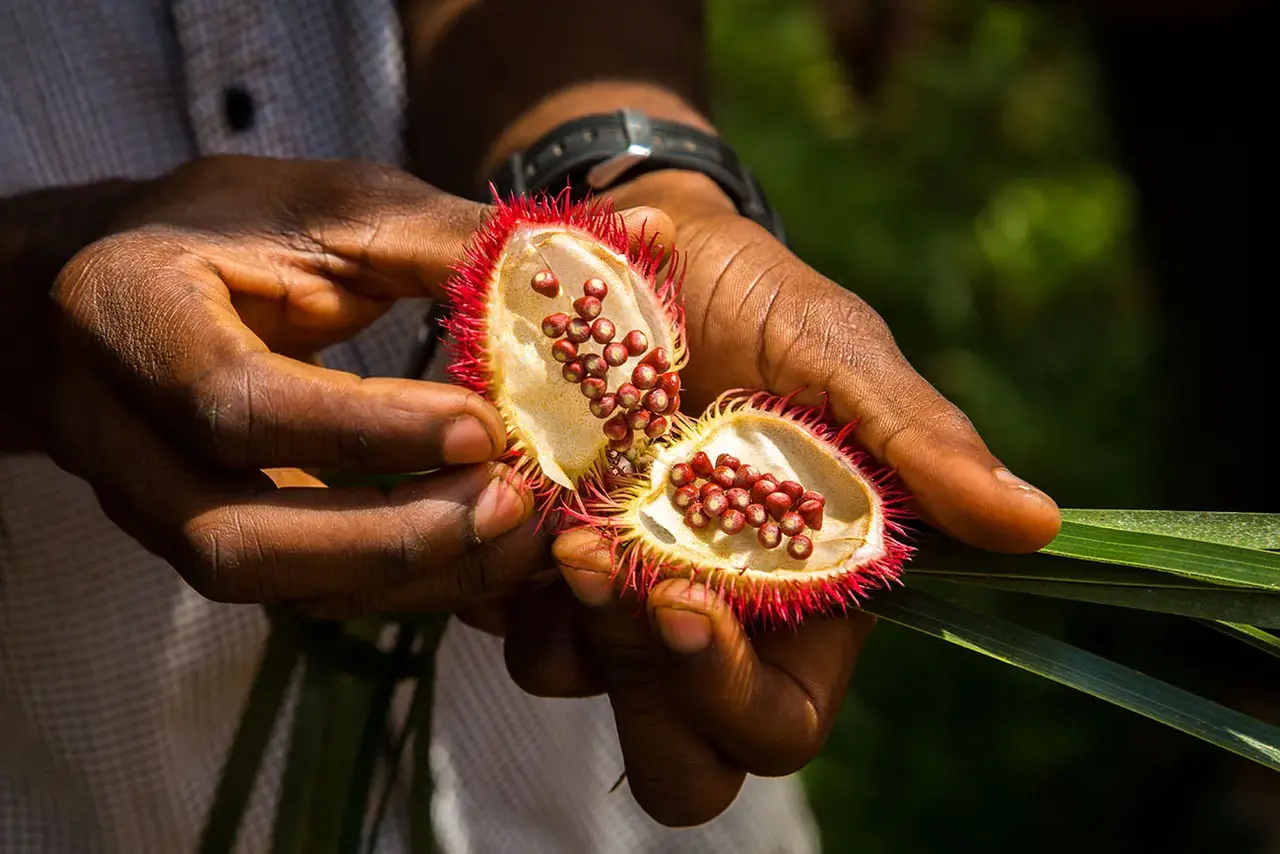
It should come as no surprise that the cuisine in Zanzibar is so flavoursome, given the island’s deep-rooted Swahili heritage has earned it the nickname ‘spice island’. One morning, we embark on a spice tour with local operator Escapade Tours, wandering through lush, sun-dappled plantations rich with tantalising aromas. We’re tasked with identifying the scents of a melange of spices and fruits, inhaling sweet cinnamon bark, fiery cloves and earthy nutmeg, before tasting a medley of freshly picked pineapple, watermelon and star fruit, each bite bursting with sweetness.
Continuing our cultural exploration, we visit Stone Town – the Unesco-listed capital that no traveller should forgo if they want to get under the skin of Zanzibar’s rich heritage. Honed by waves of African and Shirazi settlers, Portuguese conquerors, Indian traders and Omani sultans, each has left an indelible mark on the city. Our guided tour unearths its history, from the stately, intricately carved doors that tell tales of their past owners’ wealth and status, to the solemn chambers beneath Christ Church that bore witness to the island’s role in the East African slave trade. Elsewhere, labyrinths of alleyways are lined with shops overflowing with vibrant artwork and handmade crafts, the heady scent of spices pervades the air and the hum of conversation drifts through the narrow lanes.
It’s an experience that peels back more of Zanzibar’s layers, revealing a destination both shaped by its rich past and positively stepping into its future. With growing appeal and ambitious development, Zanzibar is firmly putting itself on the map – not just as a beach destination, but as a place with undeniable substance and soul.
Book it
Elegant Resorts offers seven nights in a Luxury Garden Pool Villa at The Residence Zanzibar on a half-board basis from £2,250 per person, inclusive of flights, private transfers and UK lounge access.
elegantresorts.co.uk
Hotel Review
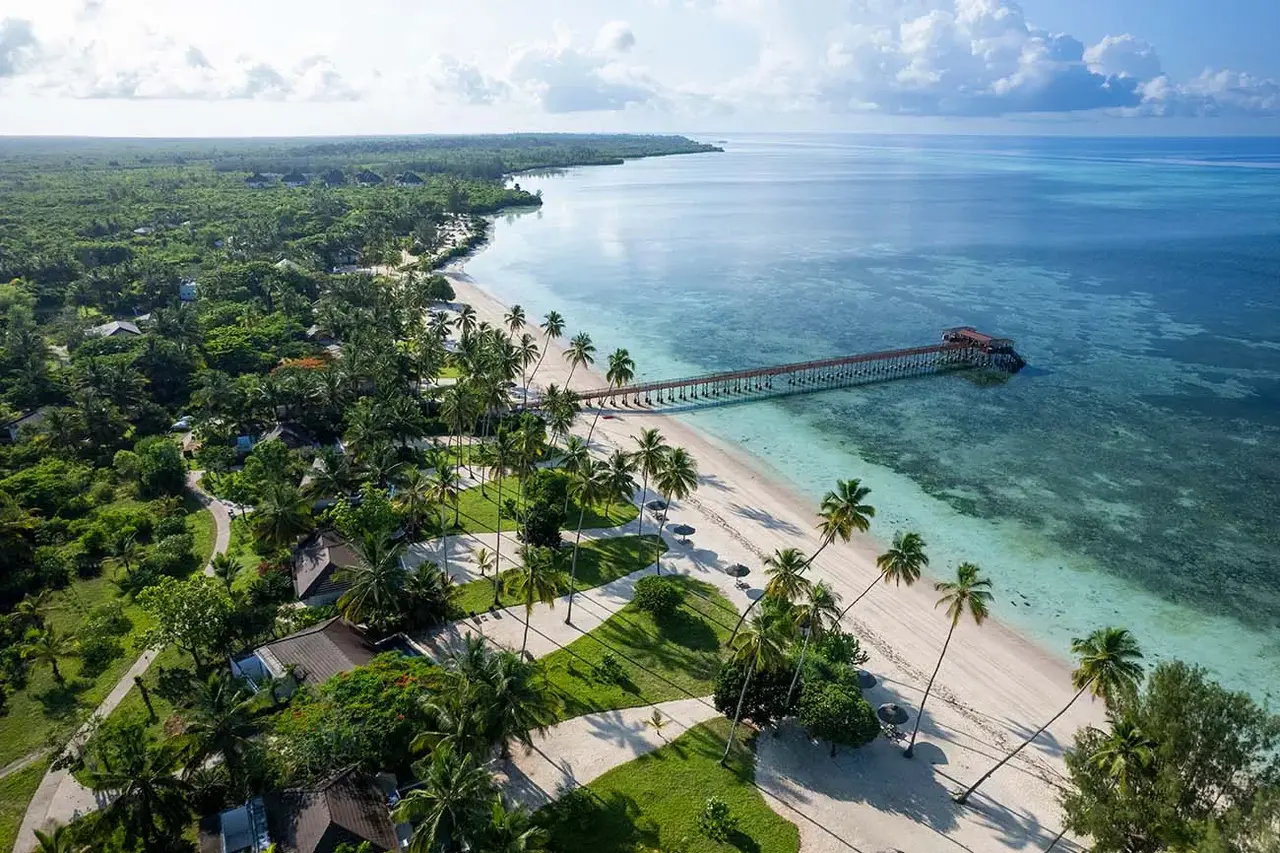
From the moment I arrive at The Residence Zanzibar the warmth of the staff is unmistakable – something that sets the tone for a stay that is as luxurious as it is heartfelt.
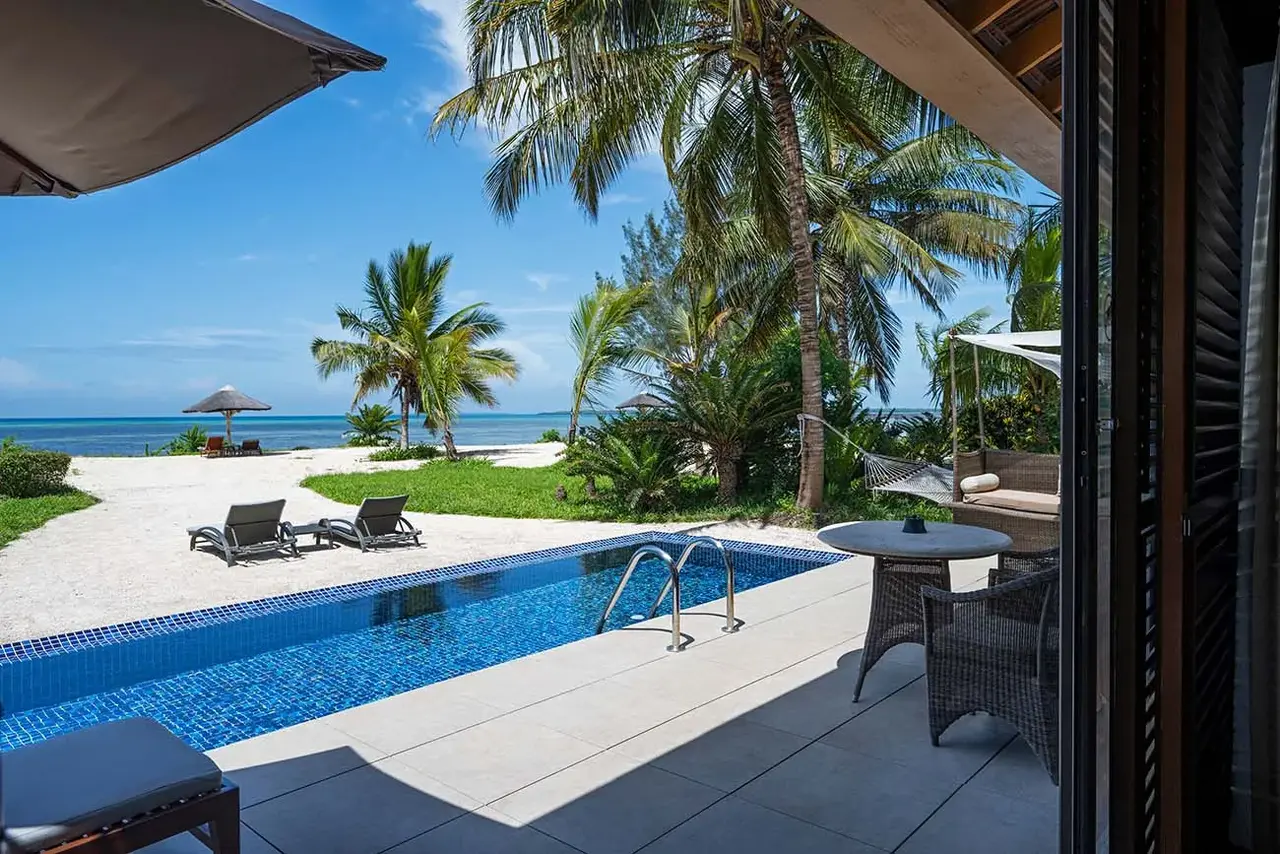
The resort’s 66 villas are gloriously spacious with French doors that open on to private pools framed by lush gardens or sweeping ocean views. Families will appreciate the two-bedroom options, such as the clifftop Presidential Villa, which offers a front-row seat to the island’s sunsets. Though nearly at full capacity during our stay, the property remains blissfully uncrowded thanks to its sprawling layout.
Gastronomy is relaxed yet refined: The Dining Room serves buffet breakfasts, à la carte lunches and themed dinners, while the The Pavilion – set beneath a canopy of trees – offers Mediterranean and Middle Eastern fare in an intimate setting. The beach also hosts twice-weekly cocktail and canapé evenings with live music.
Youngsters are well catered for at the kids’ club, which offers daily activities such as volleyball and treasure hunts, while adults can unwind at the spa. One morning, I join an invigorating yoga class followed by a soothing massage – absolute bliss.




Jacobs Media is a company registered in England and Wales, company number 08713328. 3rd Floor, 52 Grosvenor Gardens, London SW1W 0AU.
© 2025 Jacobs Media
