


Hope for the herd: A soul-stirring visit to Kenya’s Reteti Elephant Sanctuary
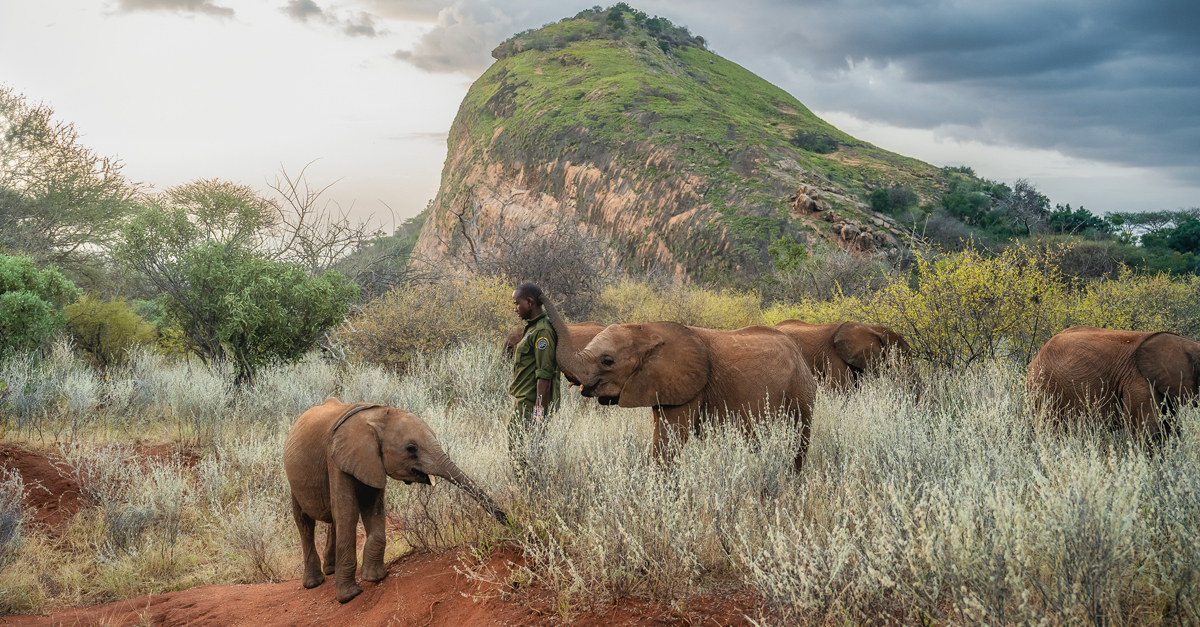


It’s a little after 6am and, as a few soft tinges of orange left behind by the sunrise fade into the clear blue sky, the bush slowly starts to wake up for the day. The gentle rustle of footsteps, the unmistakable cawing of birds and the steady chirping of crickets signify the night shift is over – and for a herd of baby elephants, that can only mean one thing.
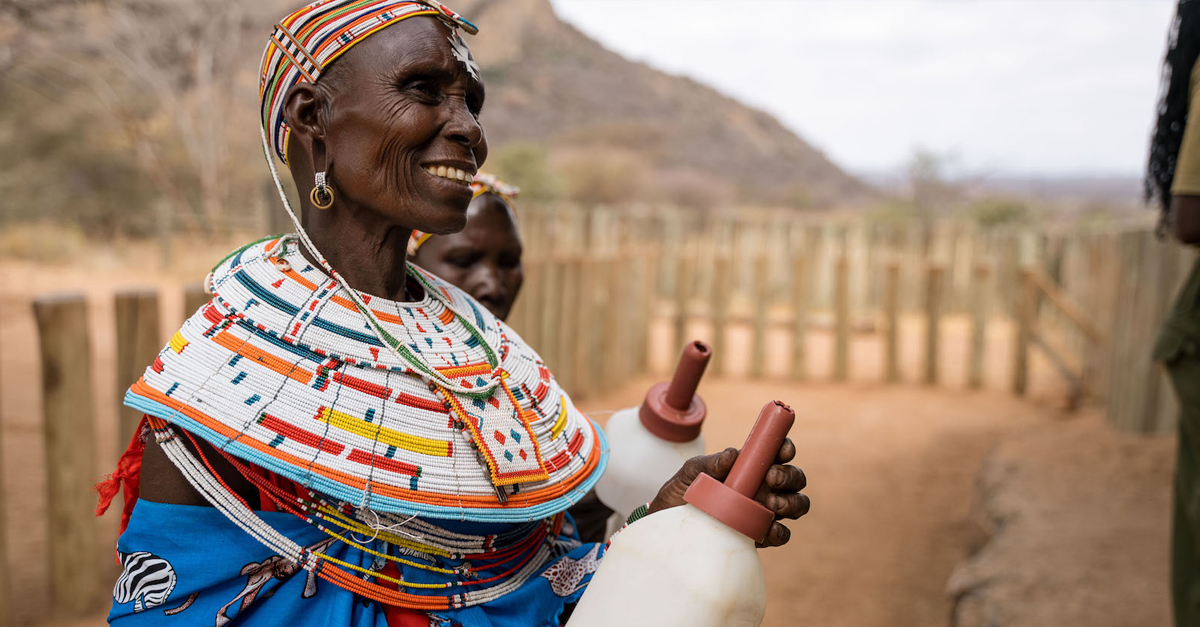
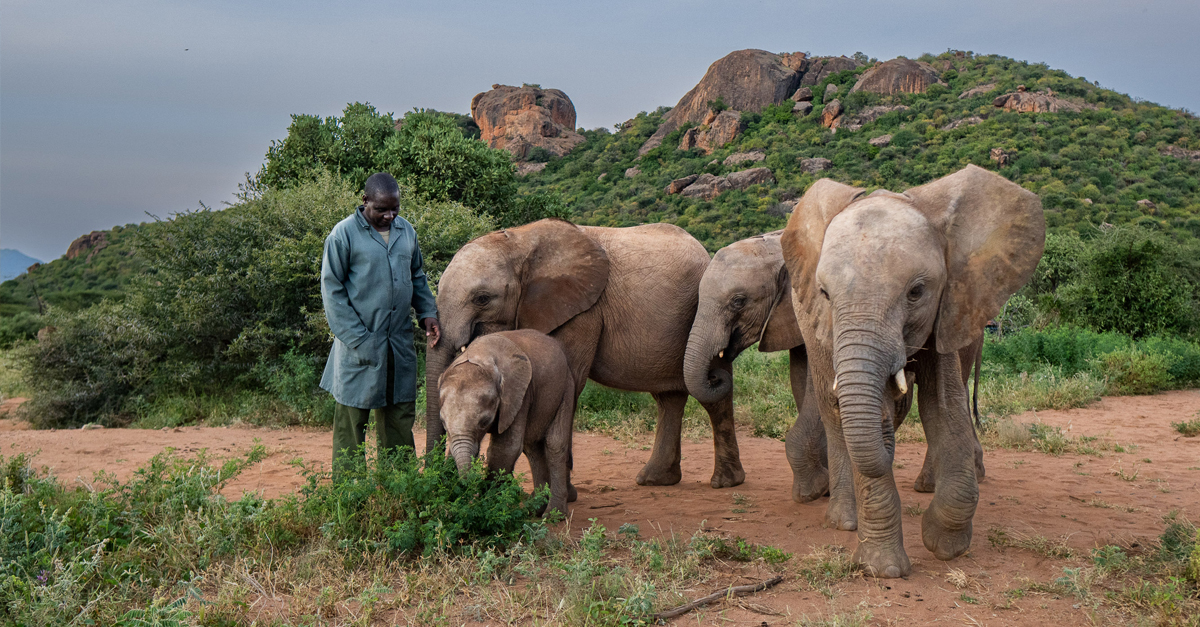
From the edge of a sandy enclosure, I watch the babies scamper in and make a beeline for keepers armed with containers of milk, wrapping their trunks around the bottles and guzzling their breakfast while the men and women sing gently to the herd in a chorus that is nothing short of transfixing. In Samburu County in northern Kenya, it’s an age-old tradition for Samburu people to sing to their livestock – something that has been adopted at Reteti Elephant Sanctuary and serves as a powerful reminder of how magical this place is.
Strong start
As the world’s first Indigenous community-owned African elephant sanctuary, Reteti is run by the Samburu people who call Namunyak Conservancy home. With the support of The Sarara Foundation, the non-profit arm of safari and conservation specialist Sarara, the centre was established in 2016 with a vision to rescue, rehabilitate and release orphaned and injured elephants back into the wild. It’s open for tours seven days a week for guests at Sarara properties and external visitors for $75 per adult.
There are 37 babies being cared for at the sanctuary, including 10 that are being weaned off the goat’s milk used for nourishment, a process that will eventually allow them to join the herd of 13 that the sanctuary successfully rehabilitated back into the wild in 2024.
This rewilding of the calves perfectly encapsulates what makes Reteti so special. The Samburu people have lived harmoniously alongside elephants for thousands of years, building a bond that plays a defining role in the rehabilitation process. The animals trust their keepers, and the keepers care deeply for their animals, showcasing a touching example of community-led conservation. When keeper Naomi Leshongoro tells me she cried when the herd returned to the wild, my eyes threaten to overflow at the sheer love and care the Samburu have for the wildlife they share their land with.
Transforming lives
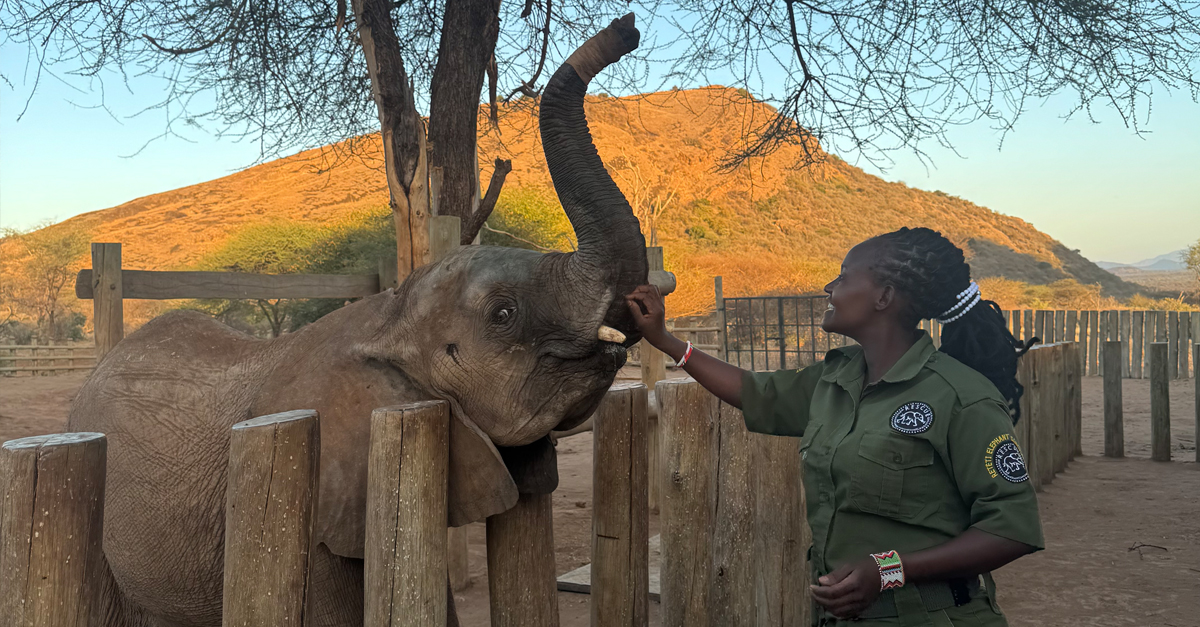
Naomi was the first female keeper to be employed at the sanctuary and she has been caring for the orphans since the centre opened in 2016. She tells me how each of the 160 keepers hail from Namunyak Conservancy and are hugely committed to the elephants’ welfare, so much so they rarely take days off and work around the clock to make sure the animals are fed and cared for.
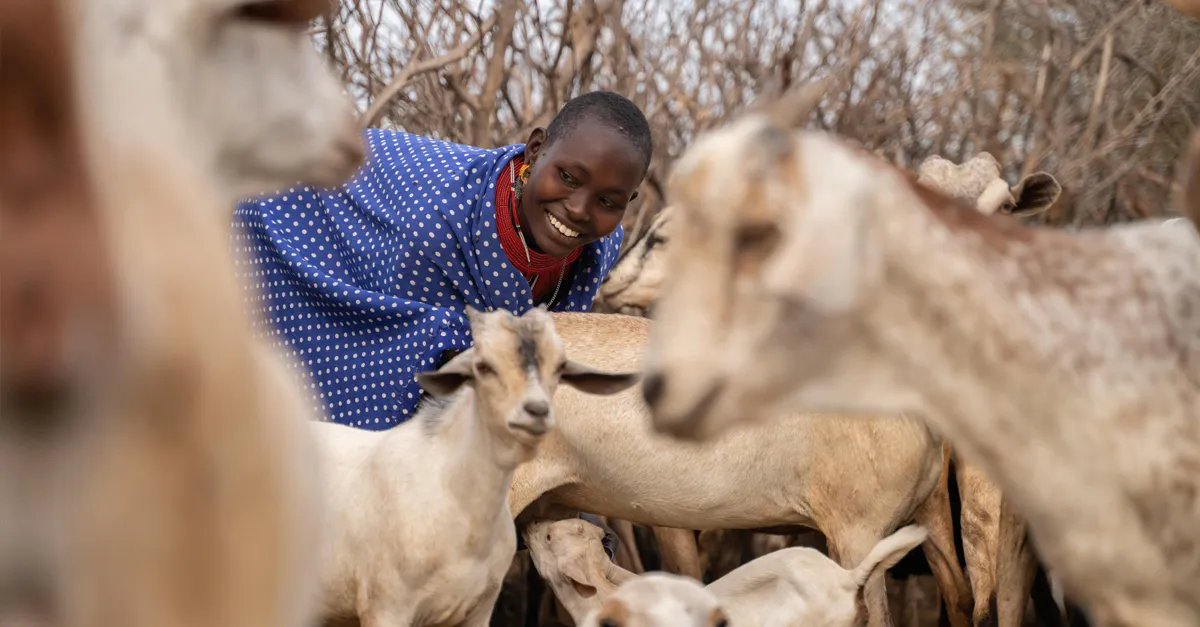
And it’s not just the staff who make the work of Reteti possible – Sarara Foundation’s Milk to Market programme has enabled 1,280 Samburu women to generate their own income for the first time by providing milk from their goats to feed the orphans. Across the conservancy, more than 2,000 litres of milk from 10,000 goats are provided by the affectionately named Milk Mamas every day, and the programme is operated with military precision. We visit the largest collection point, where some women walk for miles to drop off their milk, which is recorded, tasted, then loaded onto a vehicle to be taken to the sanctuary, before being pasteurised and fed to the elephants 24 hours later.
We’re told the Mamas use their income to pay school fees, support their families or open small kiosks to start their own businesses, with the programme seeing such success that more and more women want to be part of it. Hearing how the initiative has transformed these women’s worlds, delivering independence for perhaps the first time in their lives, is nothing short of inspiring.
Extraordinary stories
The same can be said for Naomi, whose relationship with the elephants is captivating. The love she, and the other keepers, have for the animals is unmistakable, and watching her interact with the orphans is soul-stirring.
Naomi has a particularly special bond with Long’uro, a baby elephant who was rescued in 2020 at just a month old after a hyena attack claimed two-thirds of his trunk.
Thanks to the love and dedication of the Reteti team, the calf has adapted well to life as a differently abled elephant, becoming proof that enduring spirit, and the right care, is all you need to thrive. As I watch him play with the rest of the herd, I feel moved. Long’uro is a symbol of hope – much like the sanctuary he calls home, which is paving the way for fairer, community-led conservation.




Jacobs Media is a company registered in England and Wales, company number 08713328. 3rd Floor, 52 Grosvenor Gardens, London SW1W 0AU.
© 2025 Jacobs Media
