


All points east: Why Taipei’s star appeal is on the rise


Famous for its skyscraping architecture, urban hiking trails and fragrant night markets, Taipei’s star has long been rising – not least among affluent consumers. With direct flights from the UK and the December 2025 opening of Terminal 3 at the city’s Taoyuan International Airport – set to dramatically enhance connectivity between nearby countries such as Thailand – it’s also incredibly accessible and a brilliant city to incorporate into multi‑destination itineraries.
New five‑star hotels, pedestrian‑friendly riverside spruce‑ups and a growing number of Michelin‑starred restaurants are just some of the reasons to check out Taiwan’s capital city.
Why sell it
Taipei is easily accessible – clients can travel via various hubs or direct with China Airlines – and has a vibrant cultural diversity guaranteed to appeal to all types of visitor. The 2025 opening of Capella Taipei increased its appeal with luxury travellers, although five‑star hotels were never in short supply (other high‑end properties include Mandarin Oriental, Taipei and Shangri-La Far Eastern).
Taipei is smaller than many Asian capitals – visiting an ancient temple, enjoying afternoon tea at a lavish hotel and exploring a buzzing night market in one day is perfectly feasible. And it goes without saying that Taipei also doubles as the perfect base for explorations farther afield.
“Taiwan as a whole combines exoticism with Japanese-level infrastructure, English signage and exceptional safety, so it’s perfect for luxury travellers seeking adventure without friction,” says Carolyn Addison, head of product at Black Tomato. “I would urge agents to lean into how Taiwan is a great ‘always-on’ year-round destination (minus typhoon season in August), making it perfect for families tethered to school calendars but craving something different.”
What’s new
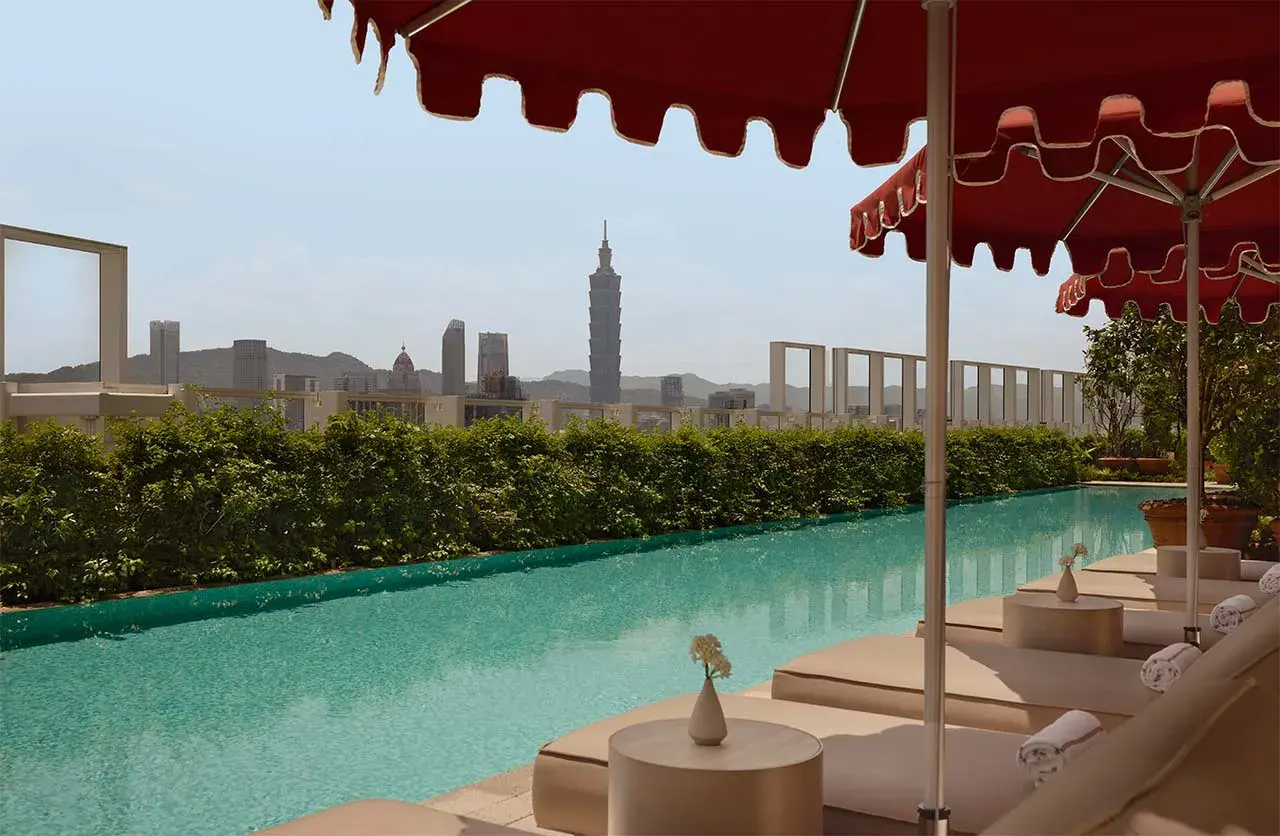
The 86-room Capella Taipei, designed by internationally acclaimed architect André Fu, is now the city’s coolest crash pad. Clients keen to splash out should consider the Skyline Pool Terrace Suite, with its private patio and plunge pool. The city-centre location gives easy access to landmarks such as Taipei 101 – a great viewpoint from which to take in the city’s transformation.
The Tamsui River waterfront project, due for completion in 2028, will transform the Dadaocheng neighbourhood into a pedestrian-friendly idyll, with wider footpaths, new lookout spots, bike trails and boating facilities. It’s a great neighbourhood for a history fix, says Capella Taipei’s general manager Dennis Laubenstein: “Walking from the North Gate towards the South Gate traces its commercial and cultural evolution, from the rice merchants to the traders of fine fabrics who sustained the neighbourhood for generations.”
Clients craving a dose of culture should also check out the New Taipei City Art Museum, which opened in April 2025 and explores Taiwanese traditions relating to trades such as ceramics and tea through various artforms.
When to go
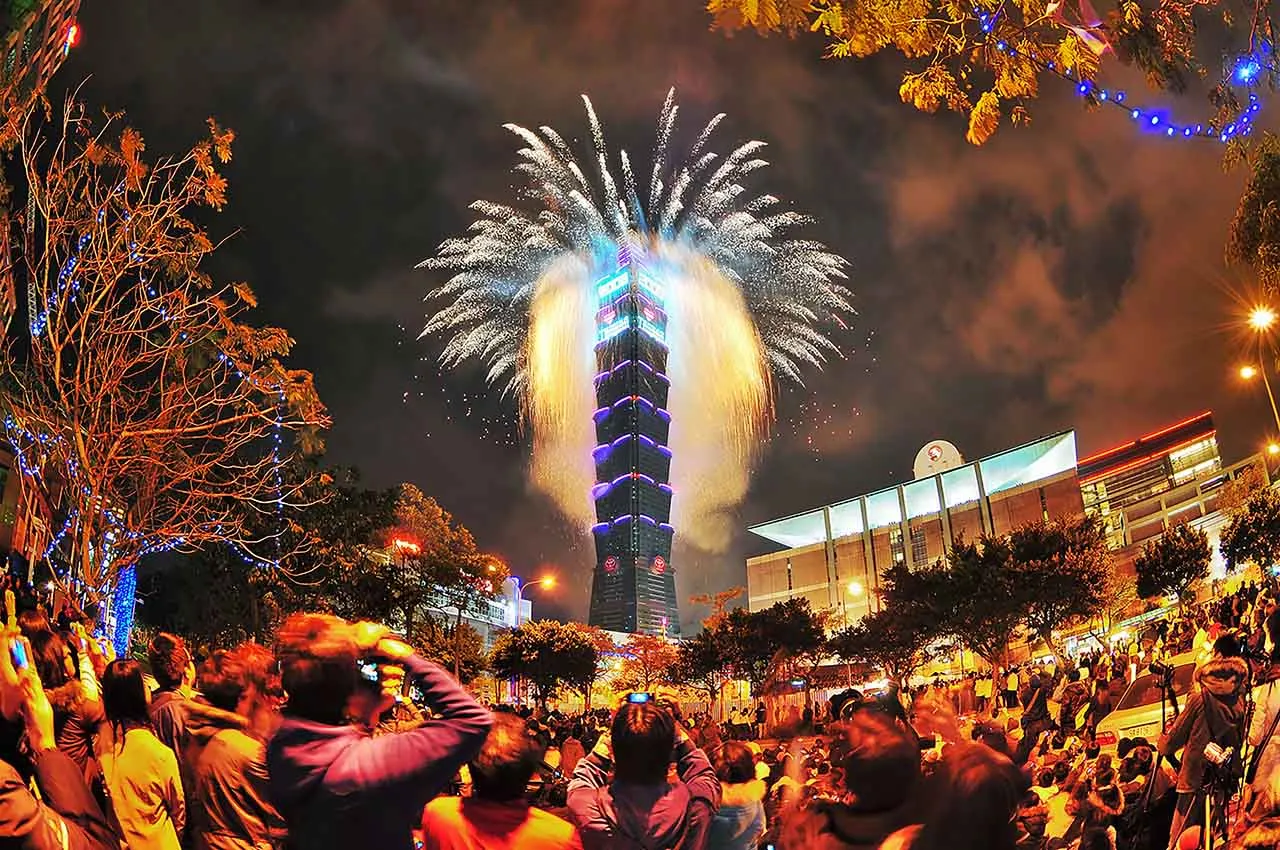
December to February is dry and cold, although not bone-chillingly so – the mercury rarely dips below 12C. The city is a hugely popular destination for New Year’s Eve, when fireworks explode from Taipei 101’s exterior. The city warms up in April, May and June (although showers usually occur during this period’s east Asian monsoon). July to September is hot and humid (temperatures hover around 33C), but typhoons can still be a regular occurrence. October and November are warm and dry, providing great opportunities for leaf-peeping in Taipei’s parks and Yangmingshan National Park, located in the north of the city.
Where to stay
The aforementioned Capella Taipei is currently the city’s most luxurious hotel. The property is in Songshan, a hip city-centre neighbourhood where key attractions include Songshan Cultural and Creative Park, a former tobacco factory filled with coffee shops and pop-up exhibitions.
Elsewhere, highlights of Da’an District’s 420-room Shangri-La Far Eastern include the large Socie Spa on the 40th floor, as well as the range of event spaces on offer, including two ballrooms.
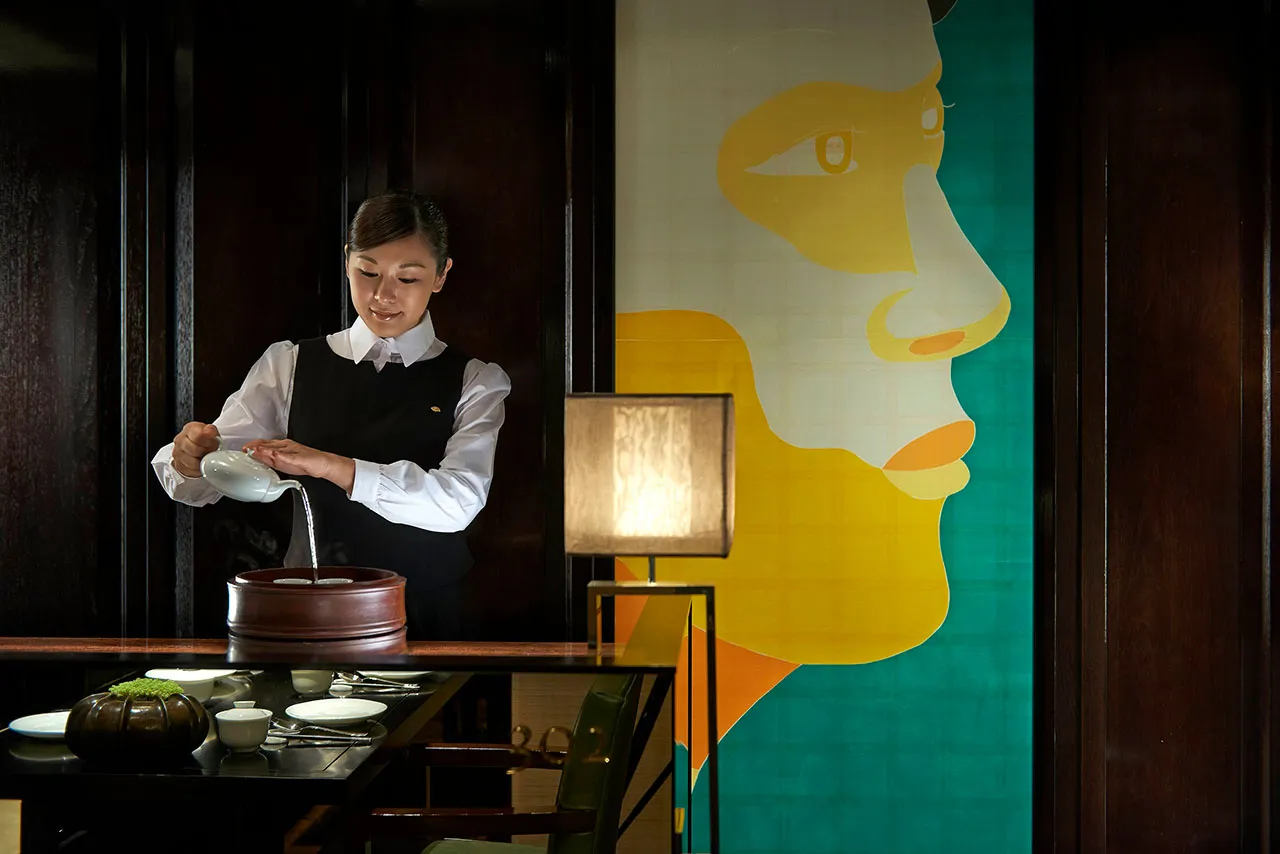
Clients in need of R&R will love Songshan’s Mandarin Oriental, Taipei –its spa has a beautiful crystal steam room and its team includes a certified aromatherapist.
Grand Hyatt Taipei, the first five-star hotel in Taiwan, is known for its culinary offerings, with restaurants including Pearl Liang for Cantonese fine dining, Irodori for Japanese delicacies and Bel Air for European cuisine. Clients with romance in mind can request the latter’s so-called Proposal Table, next to the restaurant’s fountain.
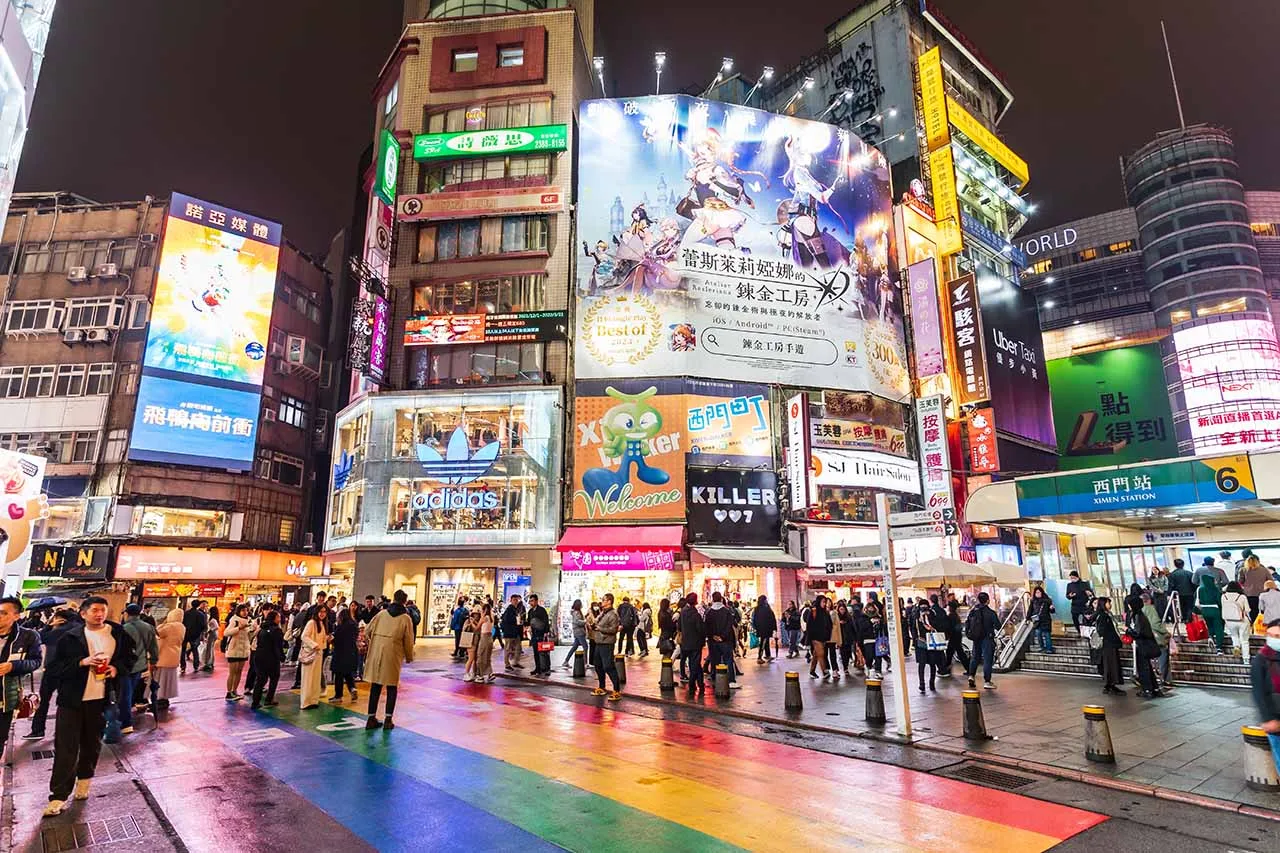
Swanky Taipei Ximending will appeal to fans of design hotels. Complimentary perks for guests at this lively boutique hotel include the brand’s trademark sunshine-yellow flip-flops. The cosy Loft Rooms, which can accommodate four adults and two children, are ideal for families. Finally, Four Seasons Hotel Taipei, located next to Taipei 101, is due to welcome its first guests in 2027.
What to do
Historic Da’an, famous for its museums and beautifully preserved buildings, is a great spot for souvenirs. Da’an’s gorgeous boutiques include Kamaro’an, where shoppers can snap up straw bags inspired by fakars (baskets used by Taiwan’s Pangcah tribe).
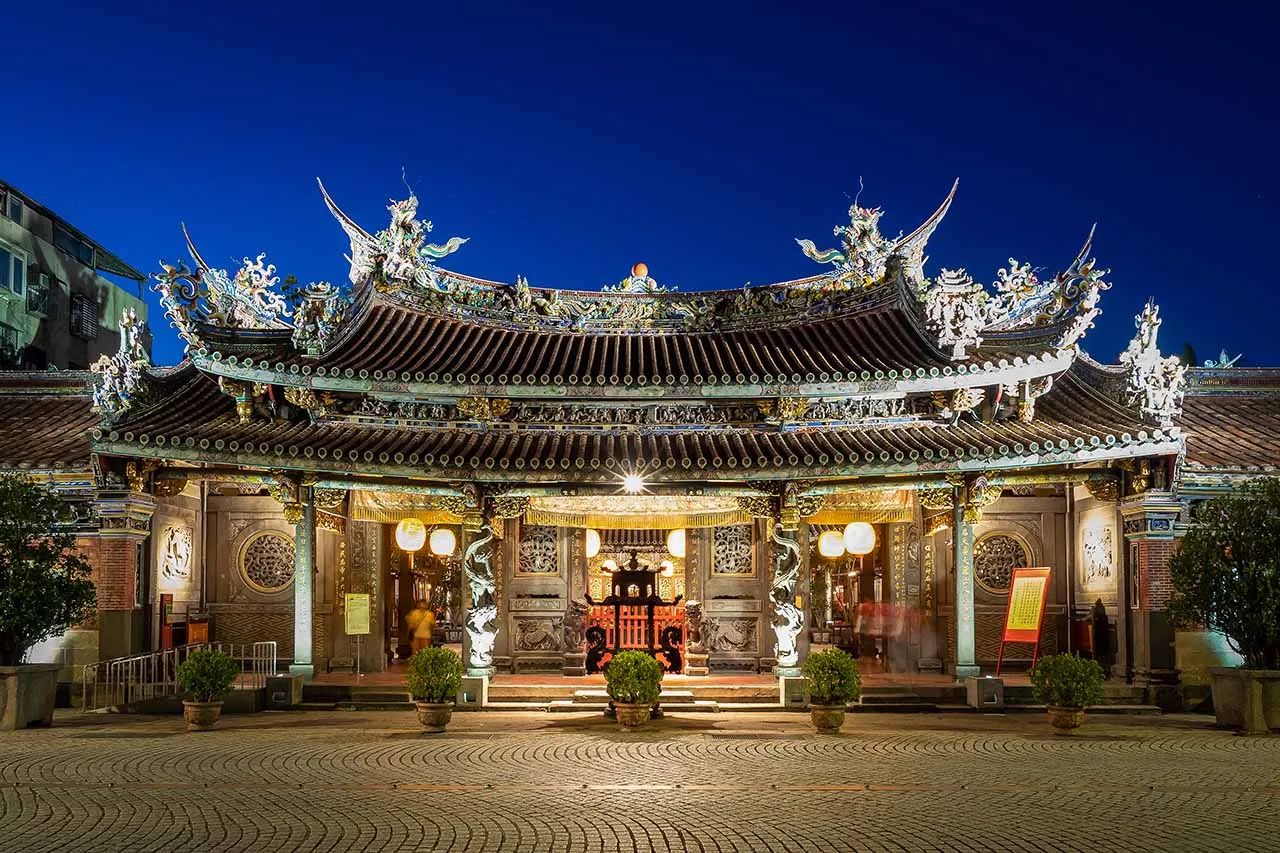
Elsewhere, Taipei’s numerous Taoist temples include Datong’s spectacular Dalongdong Bao’an Temple. The decor includes carved lions, dragon-adorned columns, a stunning drum tower and murals depicting Taiwanese gods. Pair a visit to the temple with a wander along Dihua Street, one of the city’s oldest commercial roads.
Also not to be missed is Ximending – Taipei’s version of Tokyo’s Harajuku, where tourists and locals flock to stock up on futuristic skincare products and chow down at street food stalls – and Shilin District, famous for the city’s largest night market, and the historic National Palace Museum, which houses an impressive collection of imperial Chinese artefacts.
What to see
The late Chiang Kai-shek is a former president of the Republic of China who led the ROC government in Taiwan – exhibits at Chiang Kai-shek Memorial Hall include weapons, uniforms and his three-tonne bullet-proof car.
Once an hour, soldiers outside the building perform a rifle-spinning, foot-stomping changing of the guard. Prior to 2024, this ceremony took place in the main hall, which houses a statue of Chiang Kai-shek. The recent change comes amid discussions about the possible removal of statues of the former president, whose image is gradually disappearing from Taiwanese currency.
Clients also shouldn’t miss National Dr Sun Yat-sen Memorial Hall, built to commemorate the founding father of the nation, which will reopen following a major renovation at the end of 2026.
For fantastic views, it’s hard to beat the easy-going Elephant Trail, weaving up the side of Elephant Mountain.
It’s short (just over half a mile), but advise clients to allow an hour to hike the route, lined with numerous viewpoints.
Suggest they combine it with a visit to Taipei 101, a 15-minute walk from the trail’s start point. The tower lost its status as the world’s tallest building in 2010, but is still a spectacular skyscraper. Most visitors head for the 89th-floor observatory, but it’s also fascinating to see the world’s biggest damper, a 660-tonne ball that reduces swaying.
Where to dine
Taiwanese restaurant chain Din Tai Fung is famous for its xiaolongbao (steamed dumplings) and at the Taipei 101 flagship restaurant, glass walls divide the kitchen from the restaurant floor, so customers can watch the chefs prepare the baos (each one has 18 folds and weighs 21 grams).
Taipei is also amassing a growing number of Michelin-starred restaurants, including Mandarin Oriental, Taipei’s Ya Ge, where chefs put unexpected twists on much-loved classics, such as Taiwanese ribs with aged tangerine peel.
Another great fine-dining spot is Da’an’s Michelin Guide-listed Mume (Latin for ‘plum blossom’), where Nordic influences shape dishes made with Taiwanese ingredients.
And to wash it down? Taipei’s cocktail scene is equally innovative, and its drinking venues regularly appear in the 50 Best Bars lists. We recommend toasting Taipei in Zhongshan’s speakeasy-style Mud Bar, whose focus is on local ingredients. Try the gin-based Gukeng in Wonderland, made with yuzu gin, Jin Xuan tea and starfruit.
Book it
Abercrombie & Kent offers a five-day tailor-made trip to Taiwan from £3,995 per person, based on two sharing, with three nights at Capella Taipei. The price includes international flights, private transfers, sightseeing and accommodation on a B&B basis.
abercrombiekent.com
Pair it with...
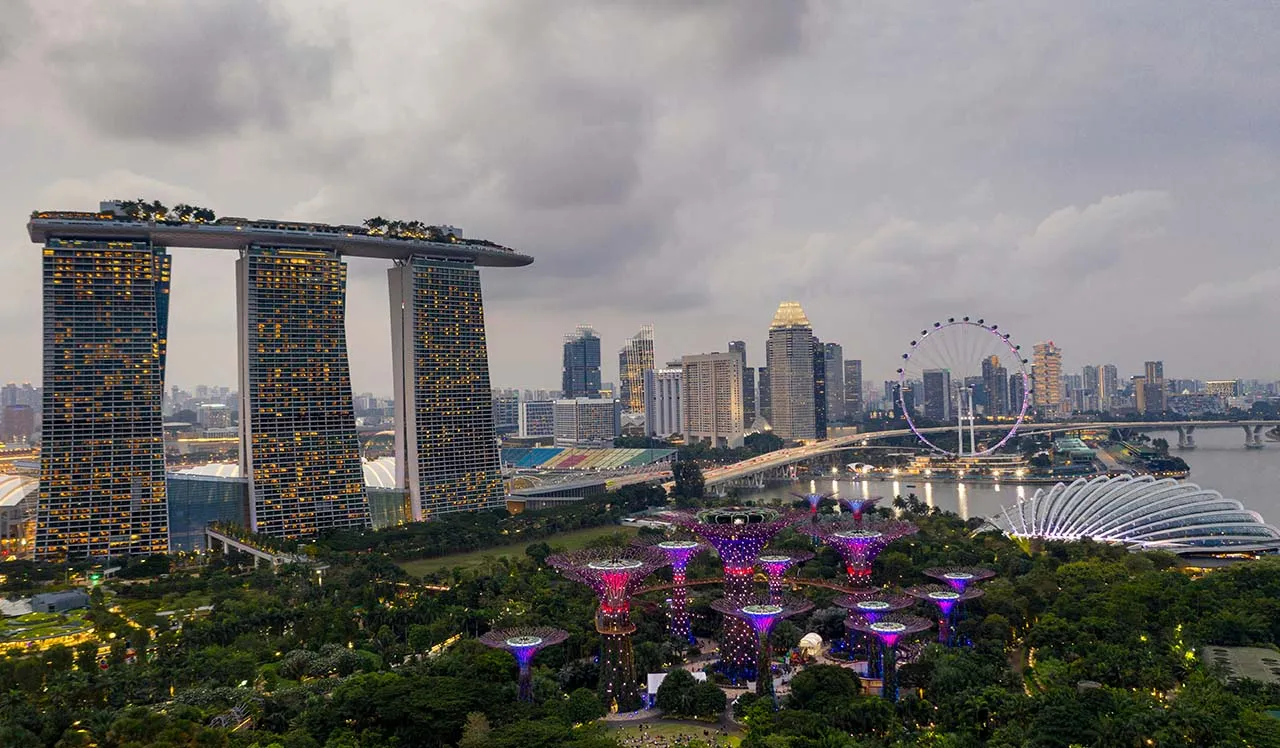
Singapore: It takes four hours and 30 minutes to fly from Taipei to Singapore, and in October 2025 Scoot became the latest airline to offer this route. For a luxury getaway, this double act is hard to beat. Singapore’s Raffles Sentosa opened last year, while Aman also plans to launch its first property in the city‑state (though an opening date is yet to be confirmed).
Malaysia: Fancy a hat‑trick? Hop on Belmond’s Eastern & Oriental Express and travel onwards in style from Singapore to Penang, Malaysia.
Australia: Heading on Down Under has also become easier, thanks to Eva Air’s new Taipei‑Brisbane link, which launched in 2025.
Explore Taiwan: Clients keen to venture beyond Taipei can hop on Taiwan’s fantastic bullet trains. It takes three hours to get to the historic southern city of Chiayi, famous for its oysters and Japanese‑era wooden buildings, and a brilliant base for explorations of the wildlife‑filled Alishan National Scenic Area.




Jacobs Media is a company registered in England and Wales, company number 08713328. 3rd Floor, 52 Grosvenor Gardens, London SW1W 0AU.
© 2025 Jacobs Media
